
MainMind
Member
- Thread starter
- #1
Hi all,
I’m currently planning a Stage 2 setup on a Honda Civic Type R FL5, and I want to approach this from a data-driven / engineering perspective, not just subjective impressions.
My goal is a 100% catless setup (no catalytic converter, no GPF) combined with Hondata, while maintaining a clean and usable exhaust note.
 1. Dyno data (critical question)
Has anyone tested before/after dyno results for different FL5 downpipes?
Ideally:
Same car
Same dyno
Same tune (Hondata)
Any direct comparison between:
PRL Motorsports
RV6 Performance
Milltek Sport
Scorpion Exhausts
 Looking for:
WHP / WTQ gains
Spool characteristics (RPM vs boost)
Any measurable differences between brands
 2. Flow / design engineering
From what I’ve seen:
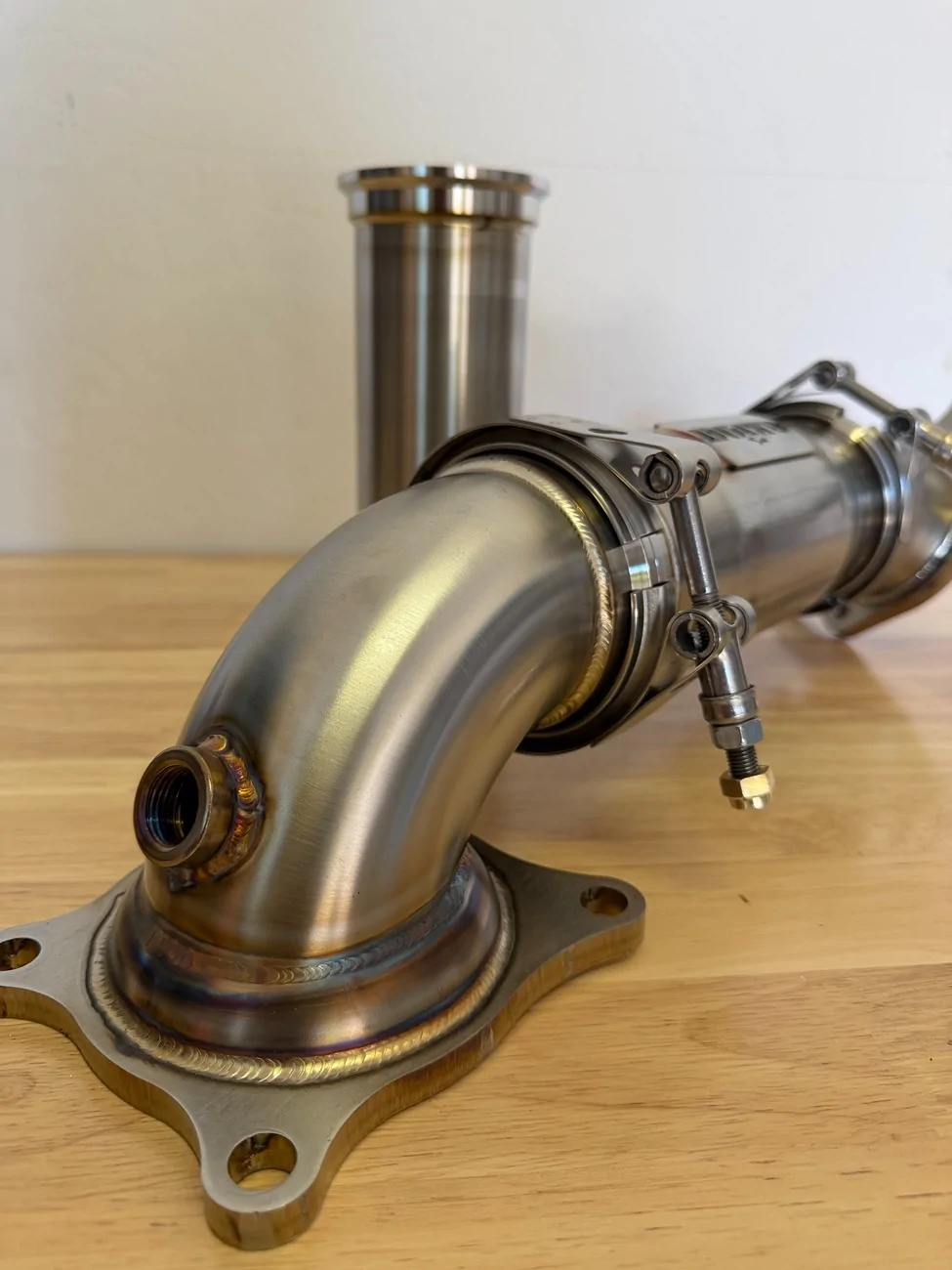
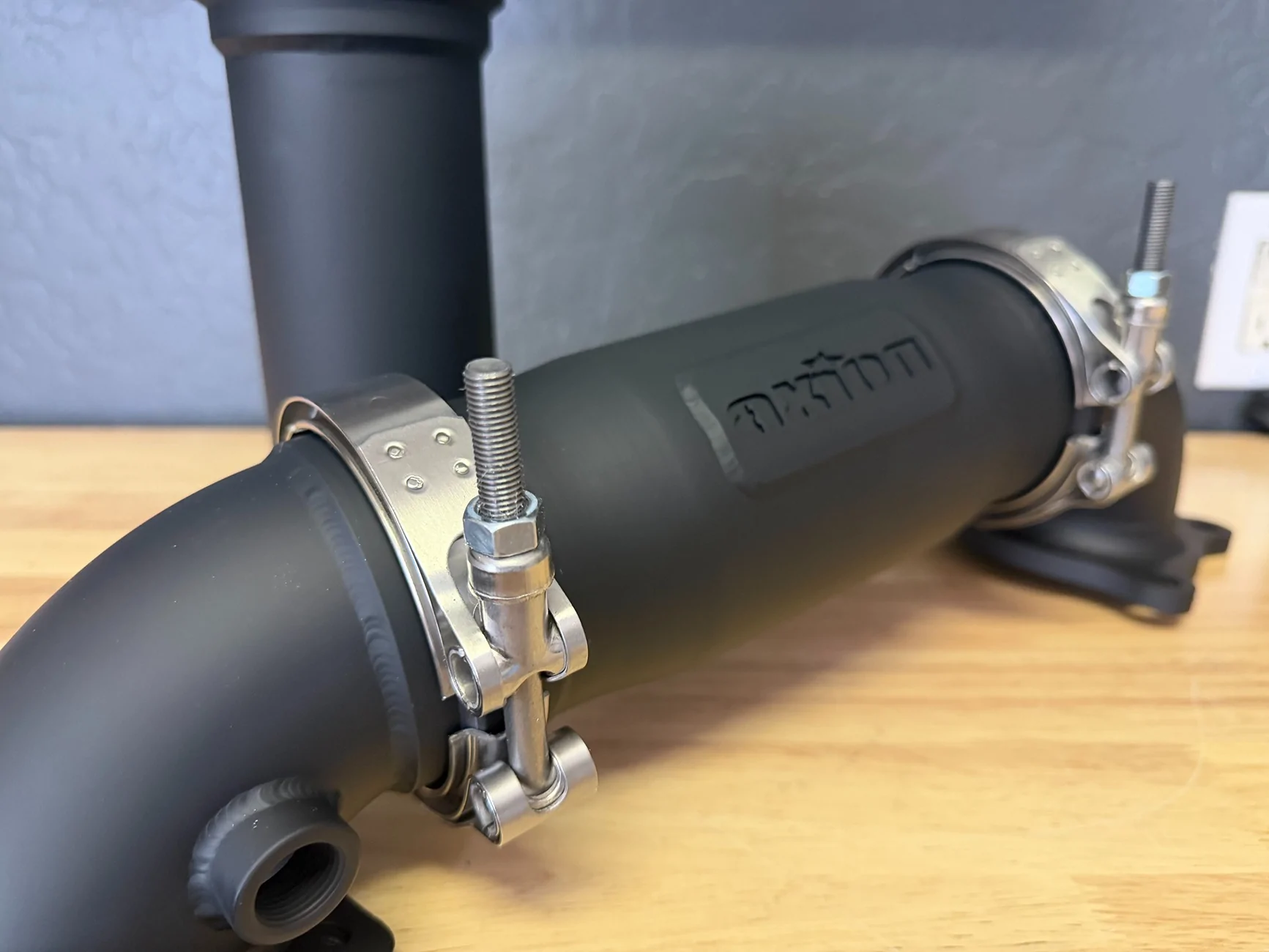
Some downpipes are mandrel-bent, one-piece (Milltek style)
Others are fabricated with multiple sections and welds (PRL/RV6)
Questions:
Has anyone compared internal geometry or flow characteristics?
Does the collector / turbo outlet design differ significantly between brands?
Any CFD, flow bench, or real-world data available?
 3. Catless vs high-flow (real data only)
I’m specifically interested in full decat setups, but:
Has anyone compared:
Catless vs 200 cpsi
Same setup, same tune
Looking for:
Measurable gains (not just sound)
Impact on spool and midrange torque
 4. Rasp / sound behavior (with data if possible)
For those running:
Catless downpipe
OEM exhaust (possibly with one resonator removed)
Questions:
Which setups produce rasp and which don’t?
Any frequency analysis or recordings under load?
Does downpipe design influence rasp, or is it mostly the exhaust/resonators?
 5. Thermal / performance logs
If anyone has logs (Hondata or similar):
Boost vs RPM
WGDC changes after downpipe
IAT / EGT behavior
Especially interested in:
Differences between brands under sustained load (track use)
 6. Fitment & sensor configuration
Any differences in:
O2 sensor placement
Fitment tolerances
Need for spacers or modifications?
 Goal
Goal
I’m trying to determine:
Whether different downpipe brands actually produce measurable performance differences,
or if once you go catless, they are effectively equivalent from a performance standpoint.
Any dyno graphs, logs, or objective data would be greatly appreciated.
Thanks in advance
I’m currently planning a Stage 2 setup on a Honda Civic Type R FL5, and I want to approach this from a data-driven / engineering perspective, not just subjective impressions.
My goal is a 100% catless setup (no catalytic converter, no GPF) combined with Hondata, while maintaining a clean and usable exhaust note.
1. Dyno data (critical question)Has anyone tested before/after dyno results for different FL5 downpipes?
Ideally:
Same car
Same dyno
Same tune (Hondata)
Any direct comparison between:
PRL Motorsports
RV6 Performance
Milltek Sport
Scorpion Exhausts
Looking for:WHP / WTQ gains
Spool characteristics (RPM vs boost)
Any measurable differences between brands
2. Flow / design engineeringFrom what I’ve seen:
Some downpipes are mandrel-bent, one-piece (Milltek style)
Others are fabricated with multiple sections and welds (PRL/RV6)
Questions:
Has anyone compared internal geometry or flow characteristics?
Does the collector / turbo outlet design differ significantly between brands?
Any CFD, flow bench, or real-world data available?
3. Catless vs high-flow (real data only)I’m specifically interested in full decat setups, but:
Has anyone compared:
Catless vs 200 cpsi
Same setup, same tune
Looking for:Measurable gains (not just sound)
Impact on spool and midrange torque
4. Rasp / sound behavior (with data if possible)For those running:
Catless downpipe
OEM exhaust (possibly with one resonator removed)
Questions:
Which setups produce rasp and which don’t?
Any frequency analysis or recordings under load?
Does downpipe design influence rasp, or is it mostly the exhaust/resonators?
5. Thermal / performance logsIf anyone has logs (Hondata or similar):
Boost vs RPM
WGDC changes after downpipe
IAT / EGT behavior
Especially interested in:Differences between brands under sustained load (track use)
6. Fitment & sensor configurationAny differences in:
O2 sensor placement
Fitment tolerances
Need for spacers or modifications?
GoalI’m trying to determine:
Whether different downpipe brands actually produce measurable performance differences,or if once you go catless, they are effectively equivalent from a performance standpoint.
Any dyno graphs, logs, or objective data would be greatly appreciated.
Thanks in advance
Sponsored