Sponsored

Clutch helper spring delete

pwp25si

Senior Member
Joined
Nov 9, 2025
Threads
3
Messages
95
Reaction score
52
Location
US
Vehicle(s)
2025 si
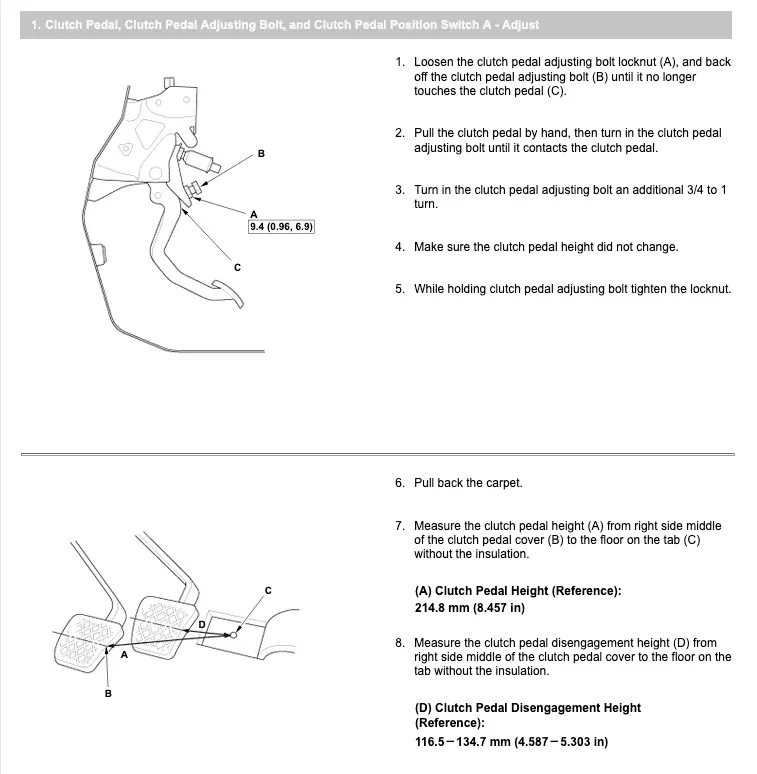
Thats for 10th gen. 11th gen service manual lists different values. 212.4mm pedal height and ~2 to ~9mm free play. there is a cutout on the carpet with metal hump underneath. I've tried playing with free play, but neutral position with no preload feels the best to me. 2mm freeplay puts too much preload on the master cylinder. Im running factory pedal stopper, and 212mm pedal height. For better pedal feel, try the damper delete.
Is this how you adjust your clutch pedal? A and B shown in step 1?
1788465203031-7s.webp
 
OP
OP

Spart

Senior Member
Joined
May 31, 2025
Threads
5
Messages
276
Reaction score
401
Location
Midwest
Vehicle(s)
2025 Integra Type S
I'm really interested in removing the clutch helper spring, but I'm concerned whether doing so will accelerate long-term wear. The OP stated this mod is common among Mustang owners, so I Googled it. I discovered companies sell spring upgrades. The product description concerned me about removing the spring.
" Your clutch pedal will never fully return to stock position without any assist spring "

Our clutch master cylinders have an internal return spring that S550 Mustangs lack, hence the observations of others in this thread about the pedal returning all the way. But that's the "why" behind it.

When Ford deleted the assist spring on the GT350 (I think for the 2019-2020 cars) they added a small return spring to the pedal itself that functions only as a return spring.

If I were doing this again on a Mustang, I'd figure out the part number for the GT350 clutch pedal assembly and get one of those. But it's a non-issue for our cars.
 

HKSpeed

Senior Member
Joined
Aug 15, 2024
Threads
15
Messages
150
Reaction score
145
Location
Orange County, CA
Vehicle(s)
FL2 6MT
11th Gen Honda Civic Clutch helper spring delete 1788580073938-ro

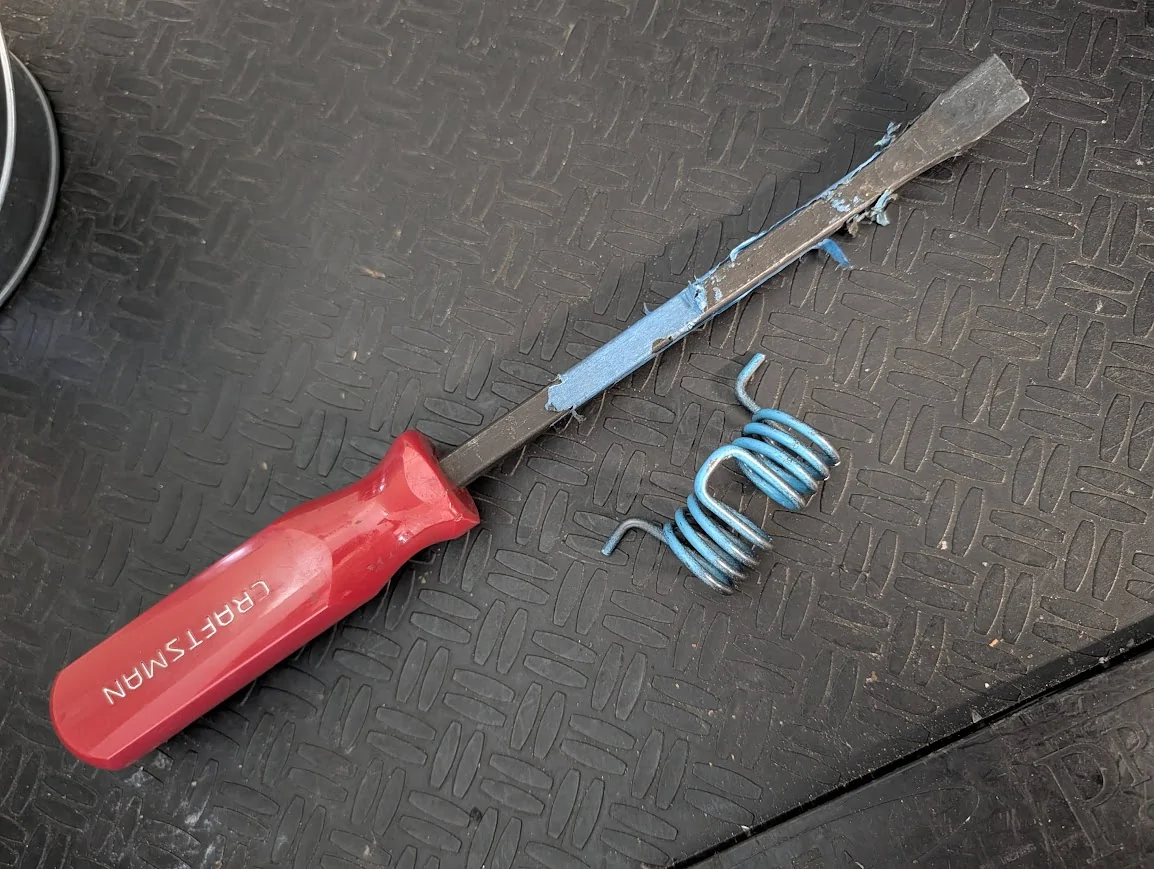
I removed the clutch helper spring. Took 30 seconds using a pry bar. Once I dislodged one side of the spring, the entire spring fell out. Afterwards I took a 12 mile test drive on streets during rush hour traffic (lots of stop-and-go). Here are my observations:
  • Clutch pedal resistance is linear (or progressive?), like the gas pedal. WIth the spring I felt a drop in resistance past the halfway point. Feel the difference in pressure between your clutch and gas pedals (while car is off). Clutch has a peak pressure point halfway, then the pressure drops towards the bottom. Gas pedal has consistent pressure all the way.
  • Without the spring, there is less resistance at the top (starting to press the pedal) and more resistance at the bottom (pedal fully pressed). Holding the clutch pedal down at a red light for a minute feels more fatiguing. Not a deal breaker for me.
  • Without the spring, the clutch engagement point feels further down (60% pedal pressed). With the spring, the engagement point felt higher (30% pedal pressed).
  • Without the spring, less pressure is needed to press the pedal past the dead spot at the top of the clutch. The spring must be applying pressure to keep the pedal up. Without the spring, simply resting my foot on the pedal (not pressing/applying pressure) is enough to move the pedal through the dead/play spot to the point where I have to start applying pressure. Without the spring, the pedal still fully returns to the top position (video below). This is probably why the engagement point feels further down.

My K20C2 Civic is purely a commuter. My goal is to increase tactile feedback. I don't know how to heel-toe or rev match. 🙈😆
 
Last edited:

pwp25si

Senior Member
Joined
Nov 9, 2025
Threads
3
Messages
95
Reaction score
52
Location
US
Vehicle(s)
2025 si
You need to adjust the pedal. Your pedal is clicking because the master cylinder pushrod is too short or the stopper bolt is not touching the pad on the pedal. When you let go, it should feel nice and plush without annoying clicking.
1788580073938-ro.webp

I removed the clutch helper spring. Took 30 seconds using a pry bar. Once I dislodged one side of the spring, the entire spring fell out. Afterwards I took a 12 mile test drive on streets during rush hour traffic (lots of stop-and-go). Here are my observations:
  • Clutch pedal resistance is linear (or progressive?), like the gas pedal. WIth the spring I felt a drop in resistance past the halfway point. Feel the difference in pressure between your clutch and gas pedals (while car is off). Clutch has a peak pressure point halfway, then the pressure drops towards the bottom. Gas pedal has consistent pressure all the way.
  • Without the spring, there is less resistance at the top (starting to press the pedal) and more resistance at the bottom (pedal fully pressed). Holding the clutch pedal down at a red light for a minute feels more fatiguing. Not a deal breaker for me.
  • Without the spring, the clutch engagement point feels further down (60% pedal pressed). With the spring, the engagement point felt higher (30% pedal pressed).
  • Without the spring, less pressure is needed to press the pedal past the dead spot at the top of the clutch. The spring must be applying pressure to keep the pedal up. Without the spring, simply resting my foot on the pedal (not pressing/applying pressure) is enough to move the pedal through the dead/play spot to the point where I have to start applying pressure. Without the spring, the pedal still fully returns to the top position (video below). This is probably why the engagement point feels further down.

My K20C2 Civic is purely a commuter. My goal is to increase tactile feedback. I don't know how to heel-toe or rev match. 🙈😆
 

HKSpeed

Senior Member
Joined
Aug 15, 2024
Threads
15
Messages
150
Reaction score
145
Location
Orange County, CA
Vehicle(s)
FL2 6MT
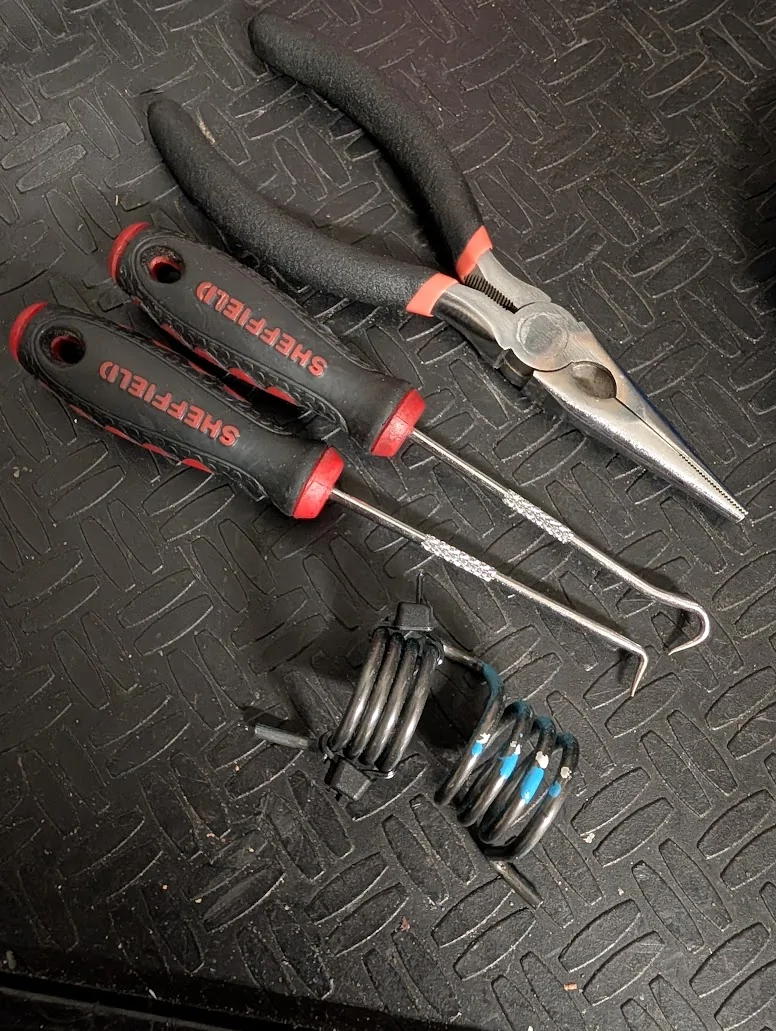
Based on my experience installing/removing (sometimes blindly) nuts, bolts, and clips in very tight spaces, I think it's possible to reinstall the helper spring without removing the clutch pedal assembly. With the right tools and zip typing the coils, it looks possible. It may take a hour of cursing and sweating, resulting in sore fingers the next day. 😅

To be clear, I am not reinstalling the helper spring. Taking out the spring exposed how much slack/play there is at the top of the clutch pedal. I'm going to lower the adjuster bolt (righty tighty) to remove the slack/play.
11th Gen Honda Civic Clutch helper spring delete 1788629550819-0q


BTW, removing the helper spring is also popular among BRZ/FRS/86 owners
https://www.ft86club.com/forums/showthread.php?t=103157
 
Last edited:


OP
OP

Spart

Senior Member
Joined
May 31, 2025
Threads
5
Messages
276
Reaction score
401
Location
Midwest
Vehicle(s)
2025 Integra Type S
Does this result in the same thing as back in the day for the S2000?

Perhaps.

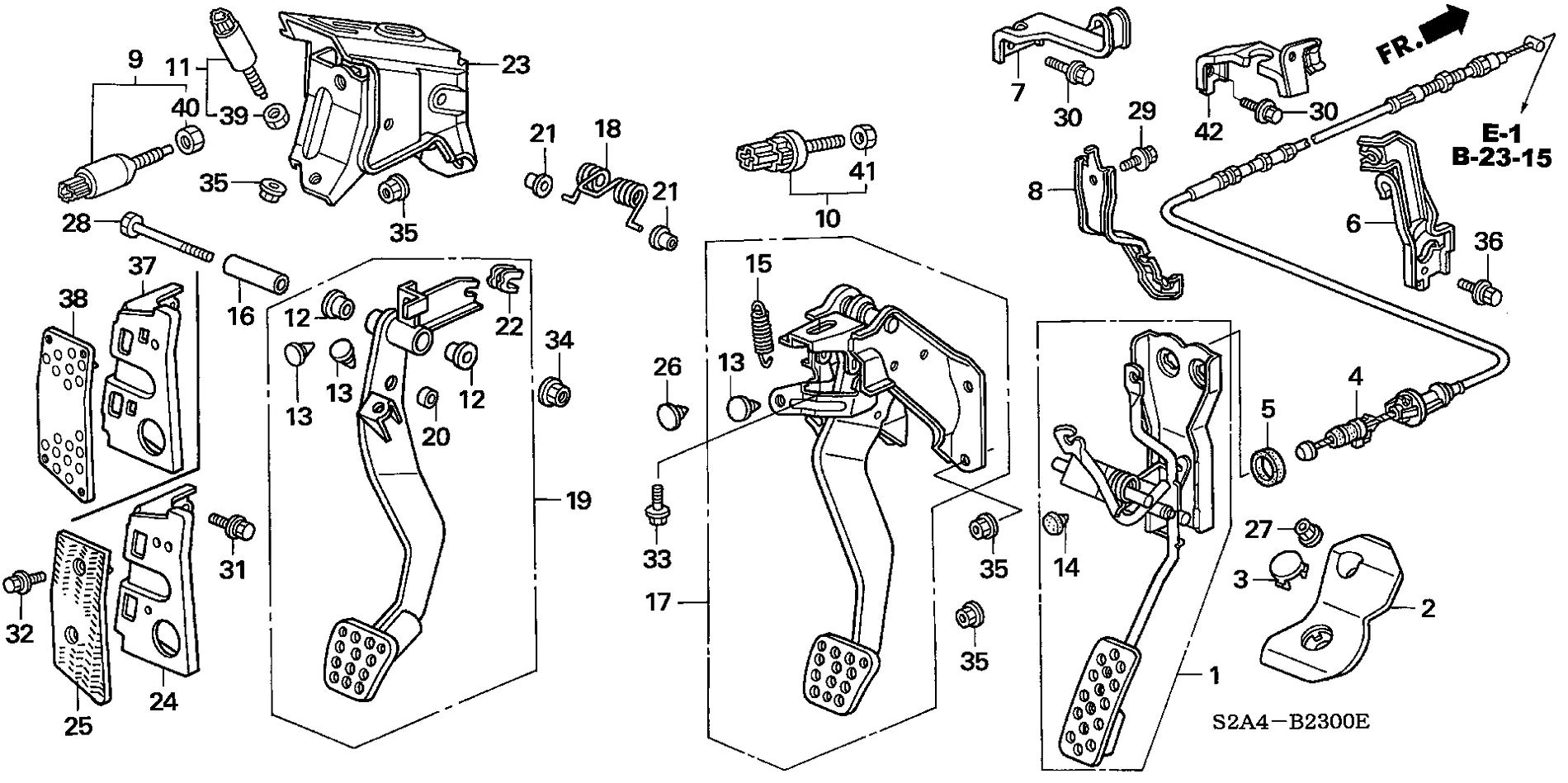
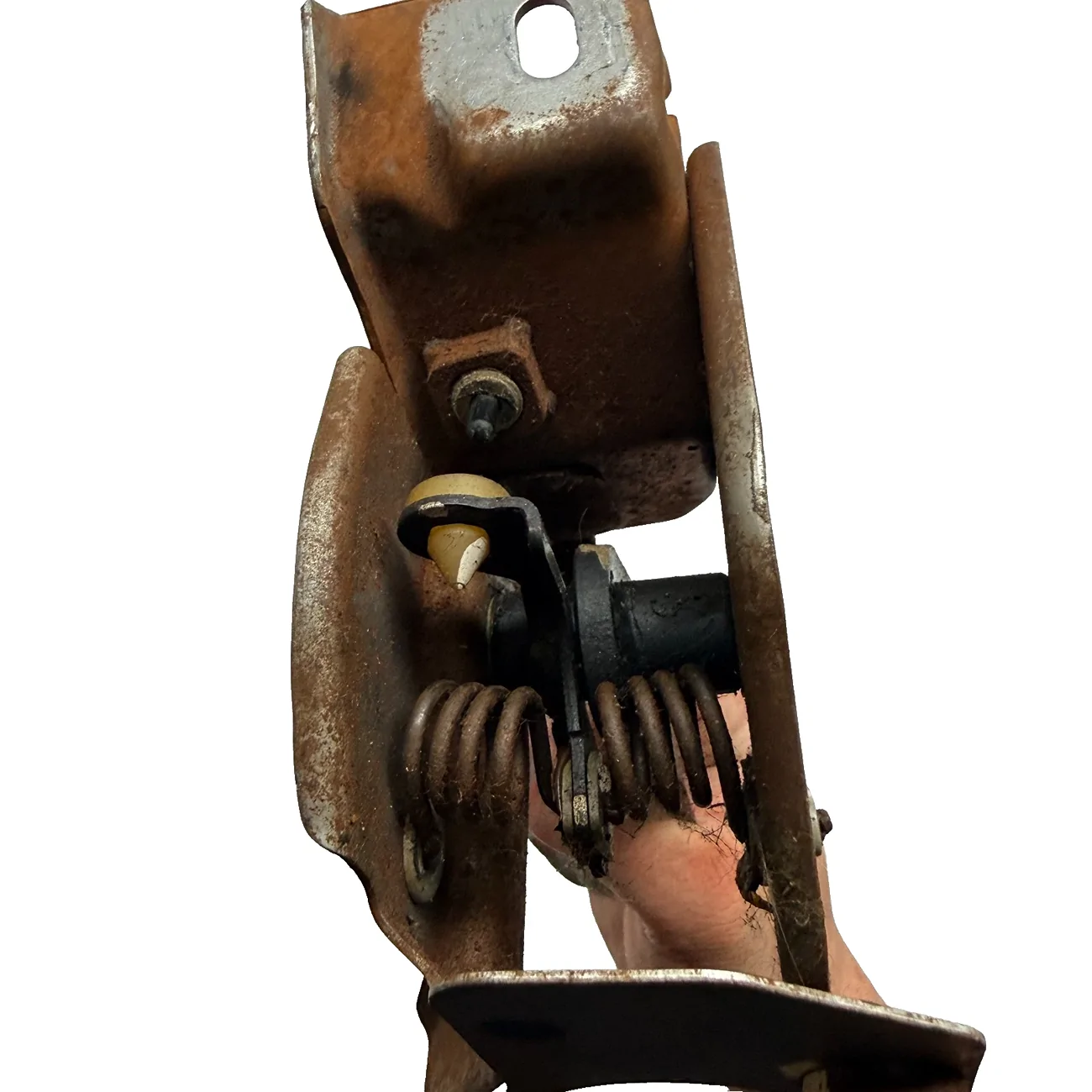
This is the exploded parts diagram for S2000 pedals, clutch on the left obviously.

Looks awfully familiar, doesn't it?

11th Gen Honda Civic Clutch helper spring delete 1788634462918-37


What's a little hard to tell just from that parts diagram is whether or not the spring is being used as a break-over-center design. I think it might be.

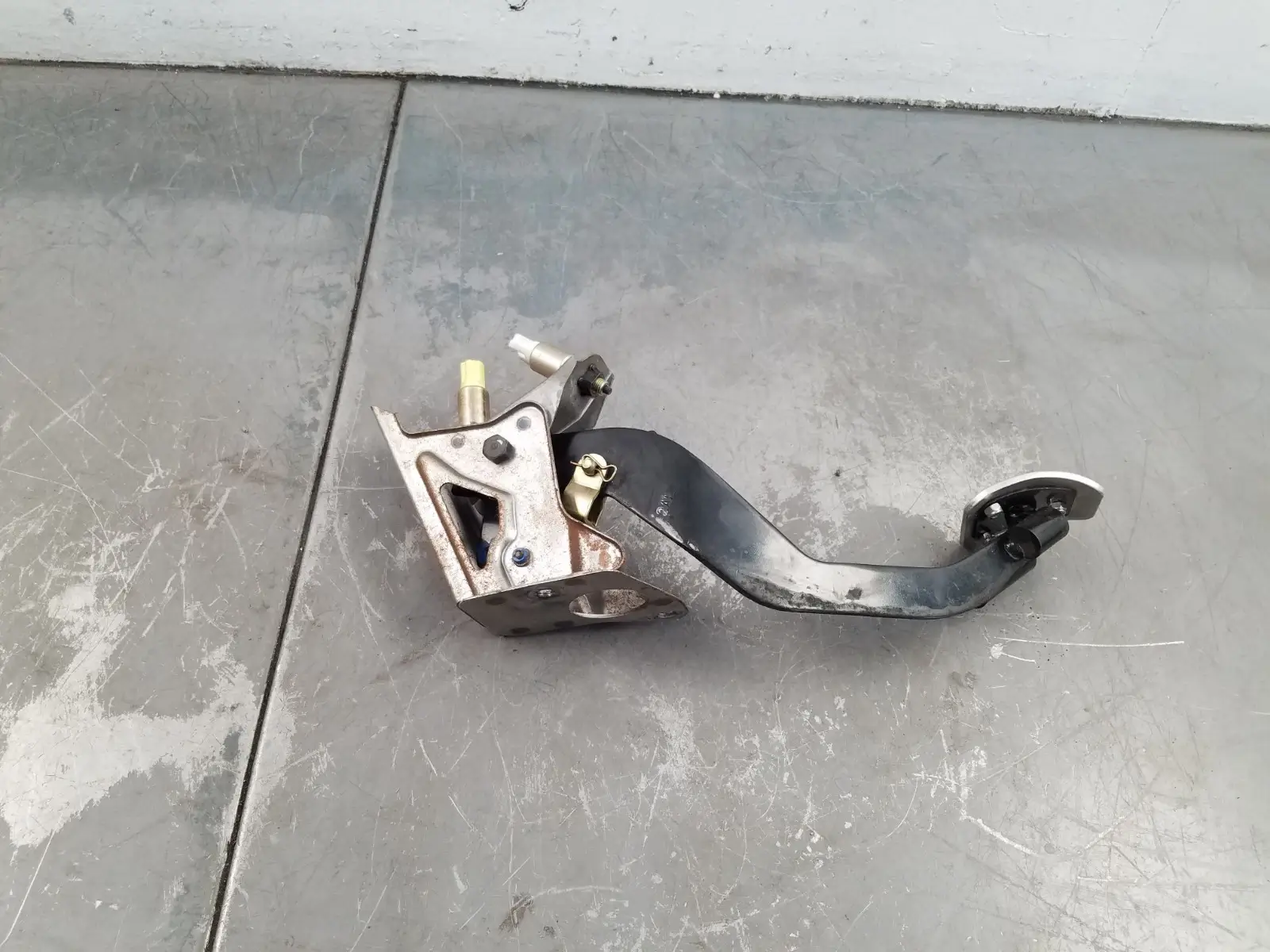
Here's a picture of a used S2000 pedal I found on eBay:

11th Gen Honda Civic Clutch helper spring delete 1788639127905-ch


This is looking at the top-side of the assembly, and you can see that the pedal is fully up because the clutch start safety switch isn't engaged. For it to be a break over center design, the spring must be able to rotate such that it can start to unwind in the bottom half of pedal travel. I think I see that there.

Another tell is that the pedal will snap to either the fully up position *or* the fully floored position, since when the spring breaks over center it can push in either direction. Here's a picture of an S2000 pedal in the fully floored position and the spring appears to be in place:

11th Gen Honda Civic Clutch helper spring delete 1788639306616-qu


My educated guess would be that as long as the S2000 has a master cylinder with an internal return spring, that you could do this same thing on the S2000 without getting pedal sag.
 
OP
OP

Spart

Senior Member
Joined
May 31, 2025
Threads
5
Messages
276
Reaction score
401
Location
Midwest
Vehicle(s)
2025 Integra Type S
Taking out the spring exposed how much slack/play there is at the top of the clutch pedal. I'm going to lower the adjuster bolt (righty tighty) to remove the slack/play.
Be aware that some of that is designed into the system.

It is possible to adjust the clutch pedal such that you are actually preventing the clutch fork from fully disengaging, creating a constant load on the throwout bearing that exceeds what it is able to tolerate, and you'll prematurely wear out your throwout bearing even though you aren't inducing clutch slip.

It would be the equivalent of driving around with your foot resting on the clutch pedal all the time.

You must ensure that the master cylinder pushrod is fully extended. Don't adjust the clutch pedal to the point that the master cylinder's pushrod cannot fully extend.

This video does a good job of visually explaining this because the guy actually puts too much play into the pedal, which helps to understand the concept. But pay attention to the pushrod going into the master cylinder as he plays with the adjustment.

Sponsored


Top