Sponsored
🚀 TRUSTALIGN - Time Attack FL5 Build Journal
- Thread starter tezzasaurusrex
- Start date
- Watchers 35
Loading


joshinthecity
Senior Member
- First Name
- Josh
- Joined
- Aug 3, 2025
- Threads
- 10
- Messages
- 162
- Reaction score
- 124
- Location
- Sydney Australia
- Vehicle(s)
- 2025 CTR. Championship White.
There's an opportunity and an addressable market if you happened to be interested in offering a "fix" for this as a product.Check out post #71 in this thread where I detail some of it. There are a lot of gaps and inefficiencies in the OEM set up. The main killer is the absolutely huge gap between the side of the radiator and the CFRFP support panel, it's around 20mm either side, which if left uncovered is simply allowing large volume of airflow to do nothing but increase under hood pressures further reducing air volume going through the heat exchangers.
*puts hand in the air*
Josh.
OP
OP

tezzasaurusrex
Senior Member
- Thread starter
- #168
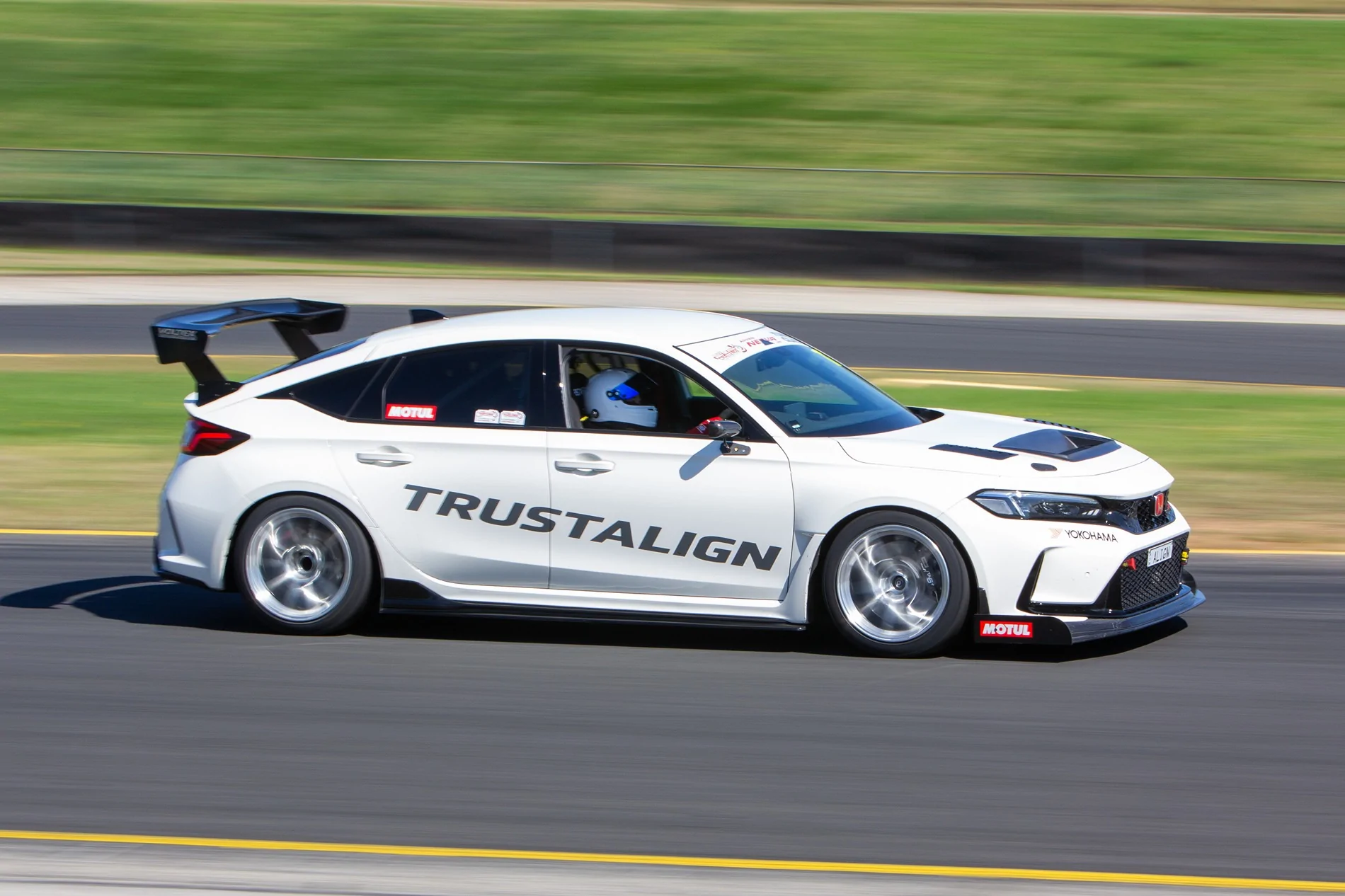
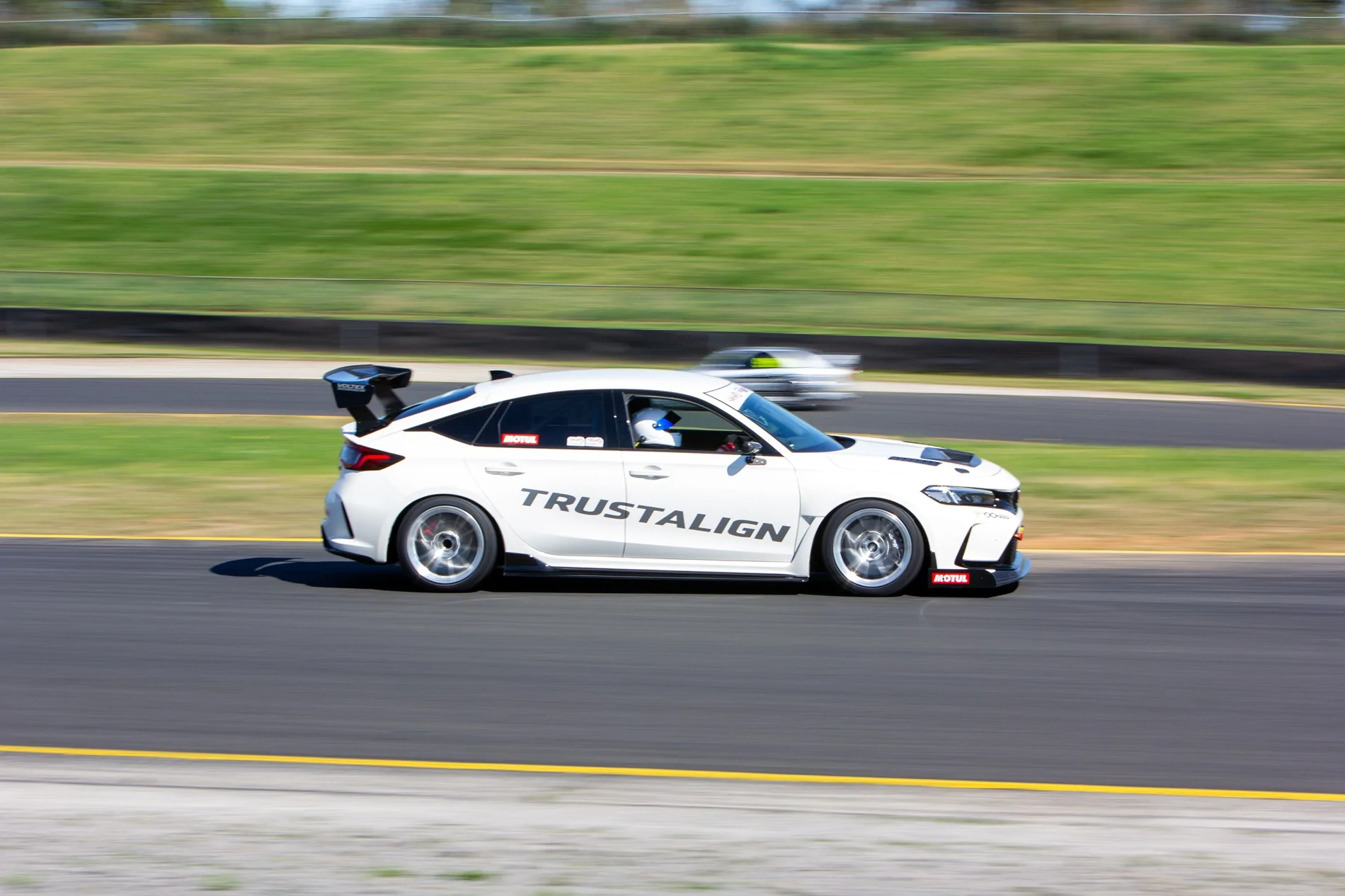
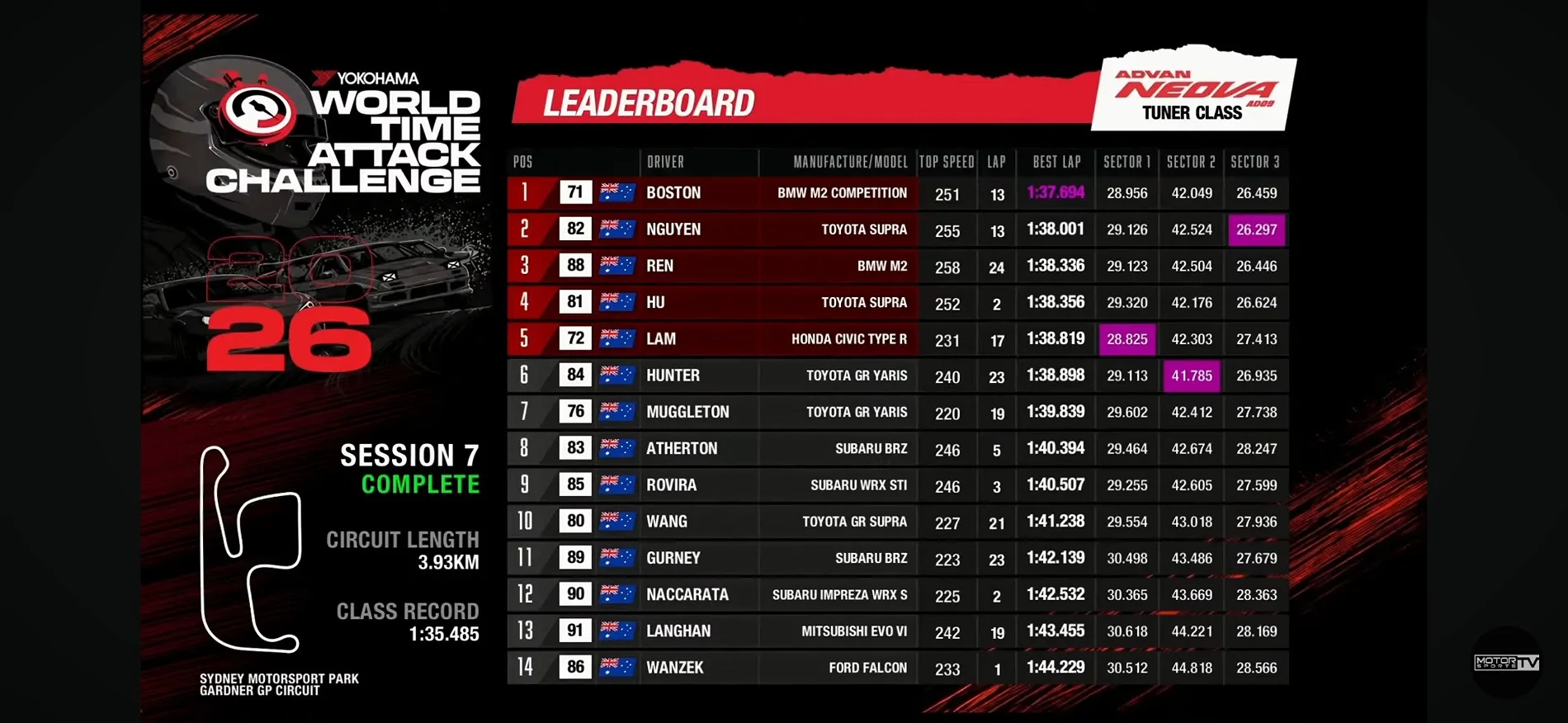
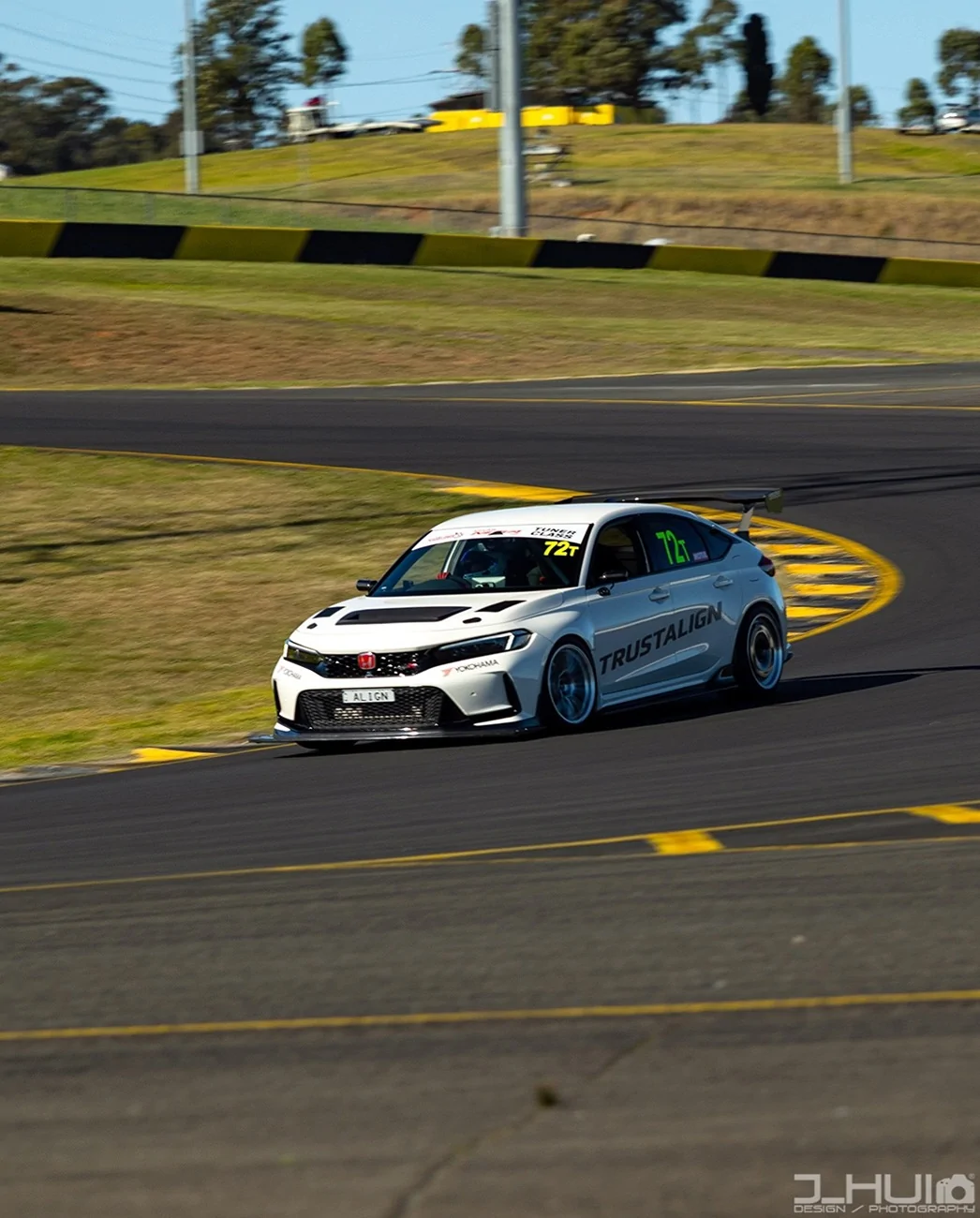
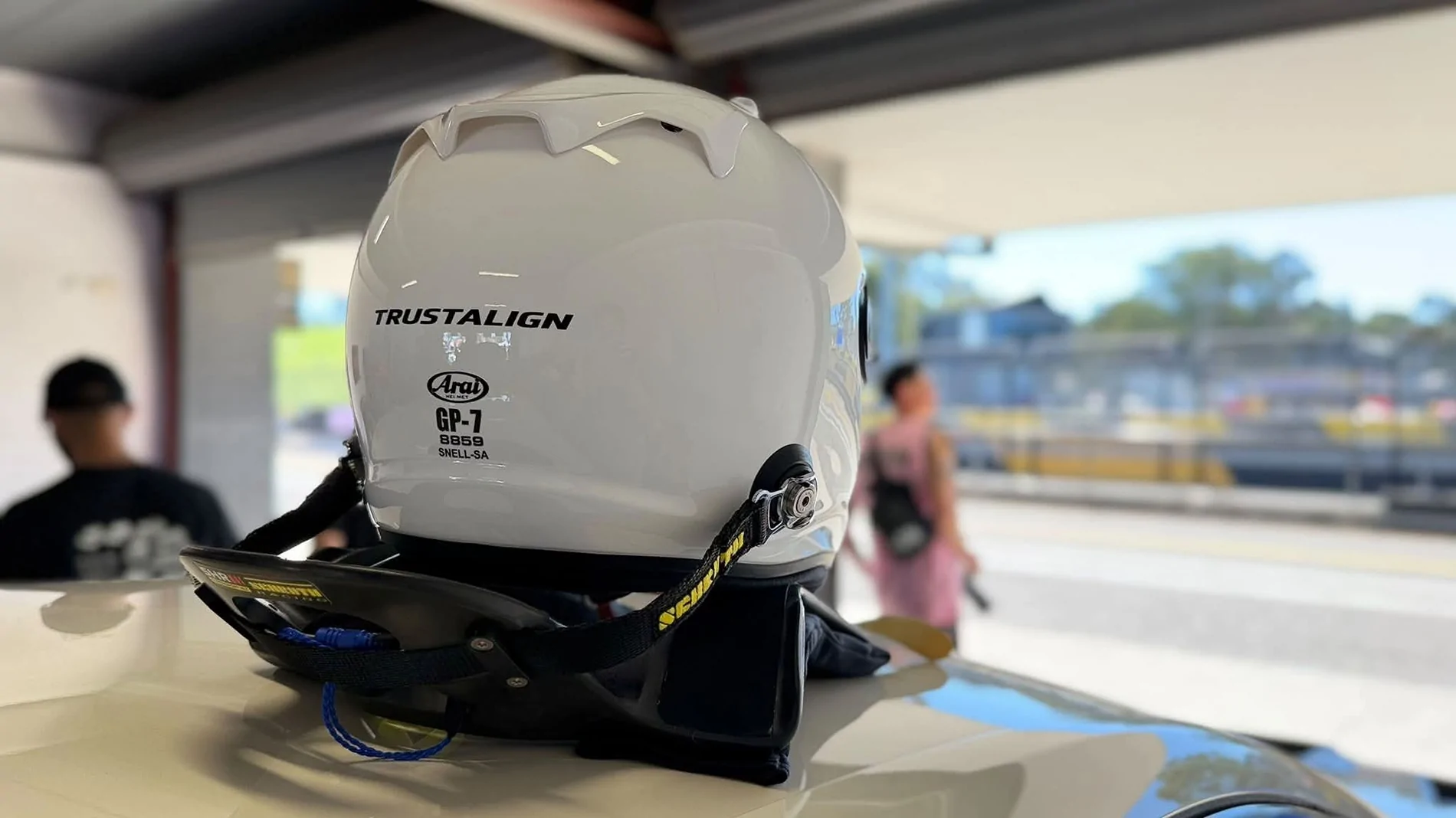
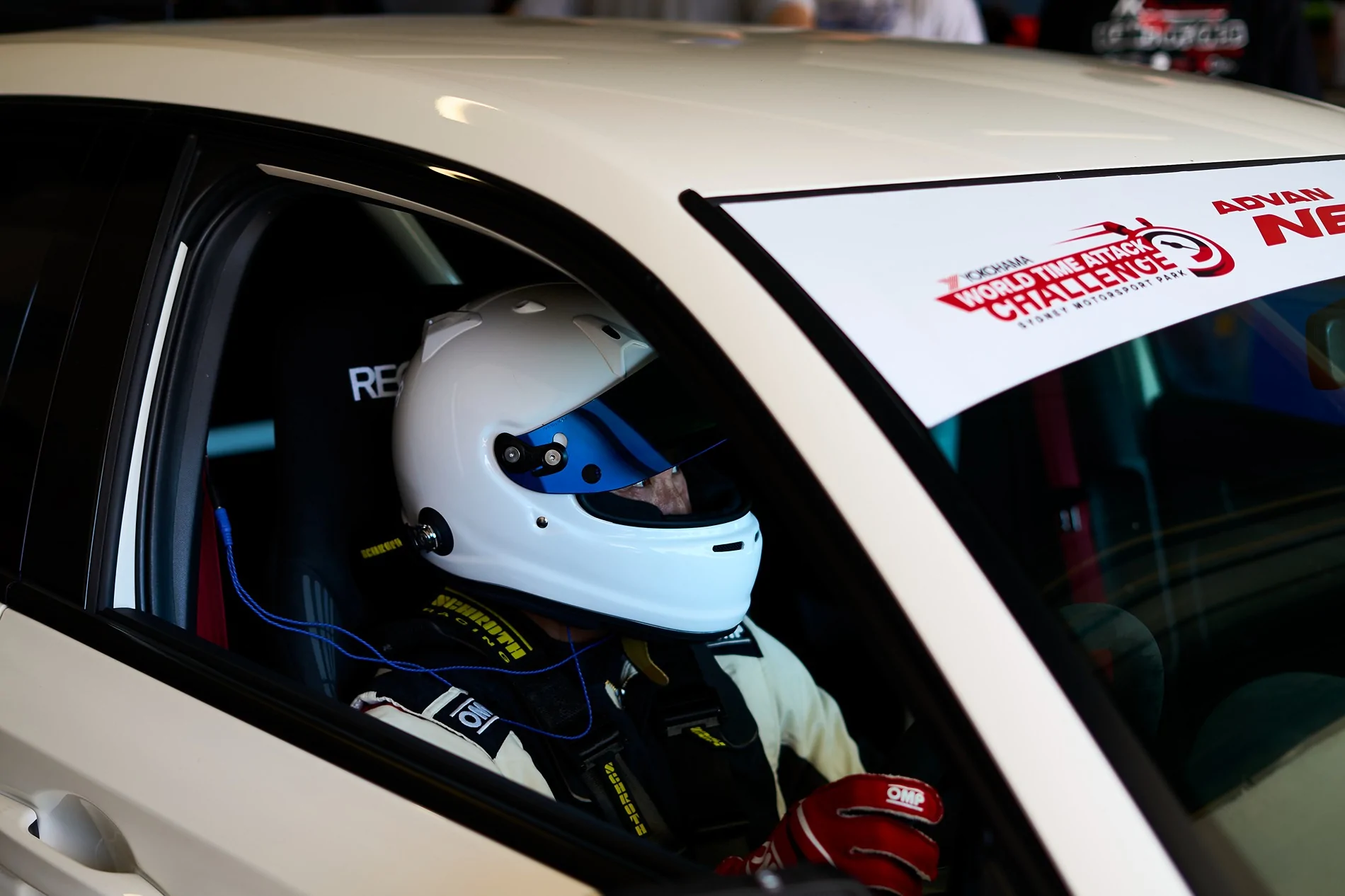
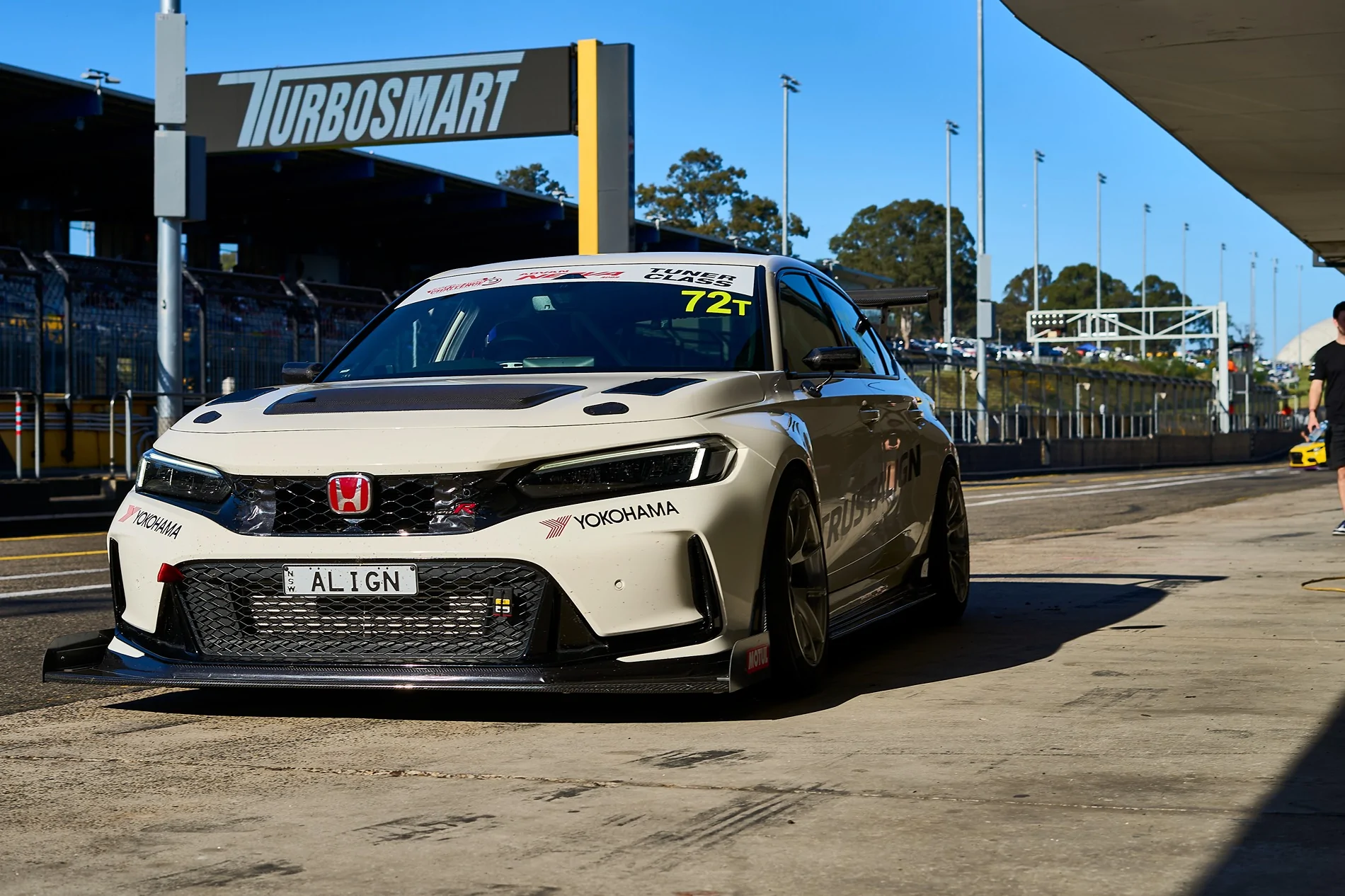
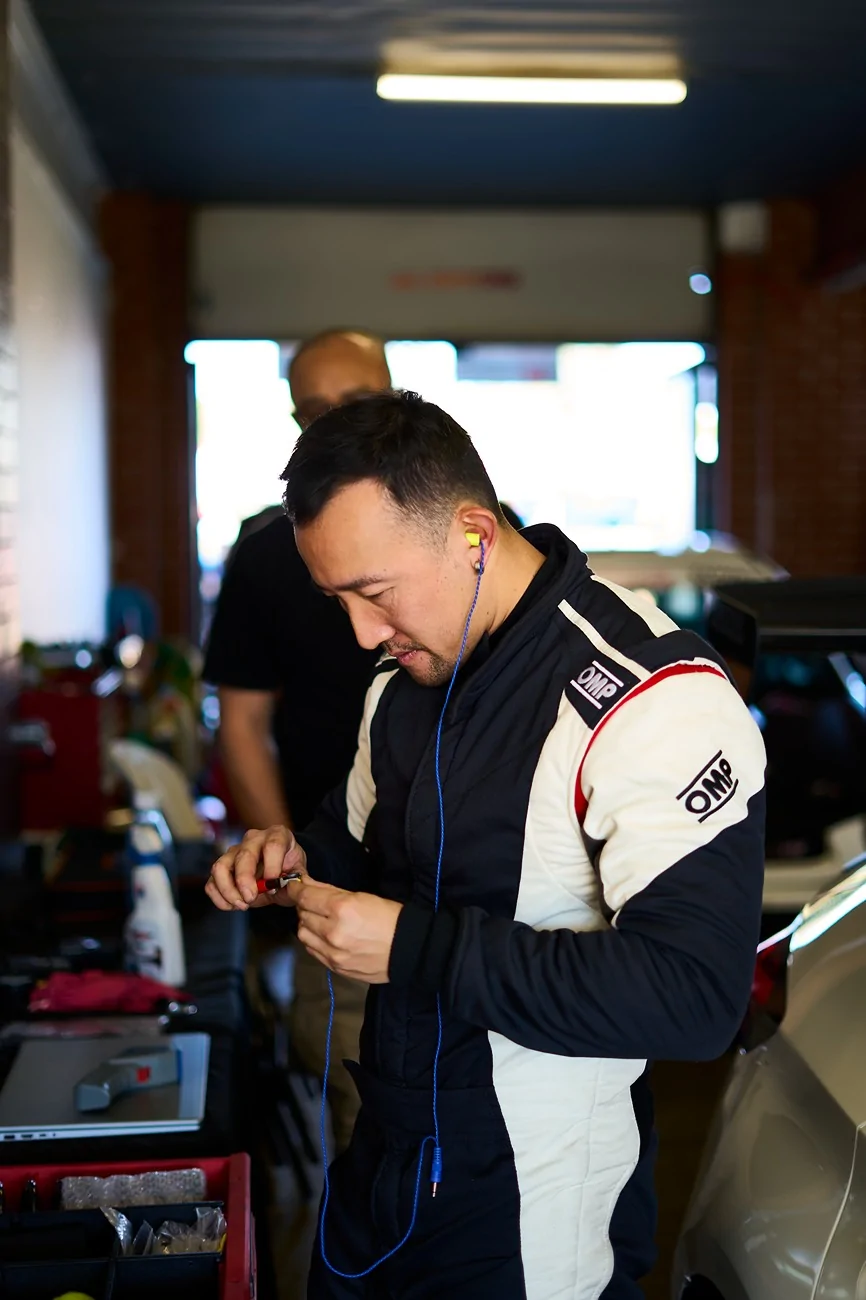
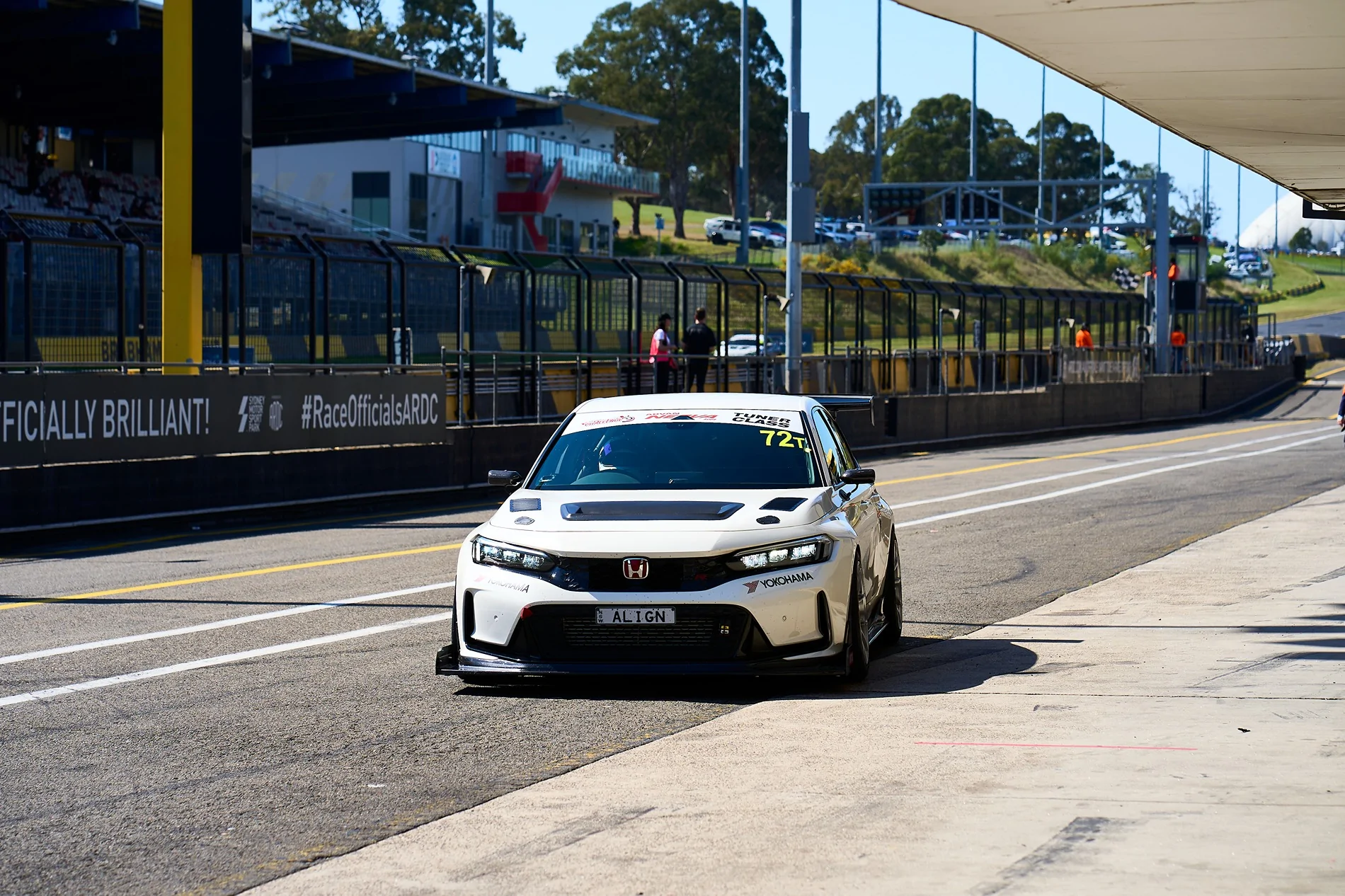
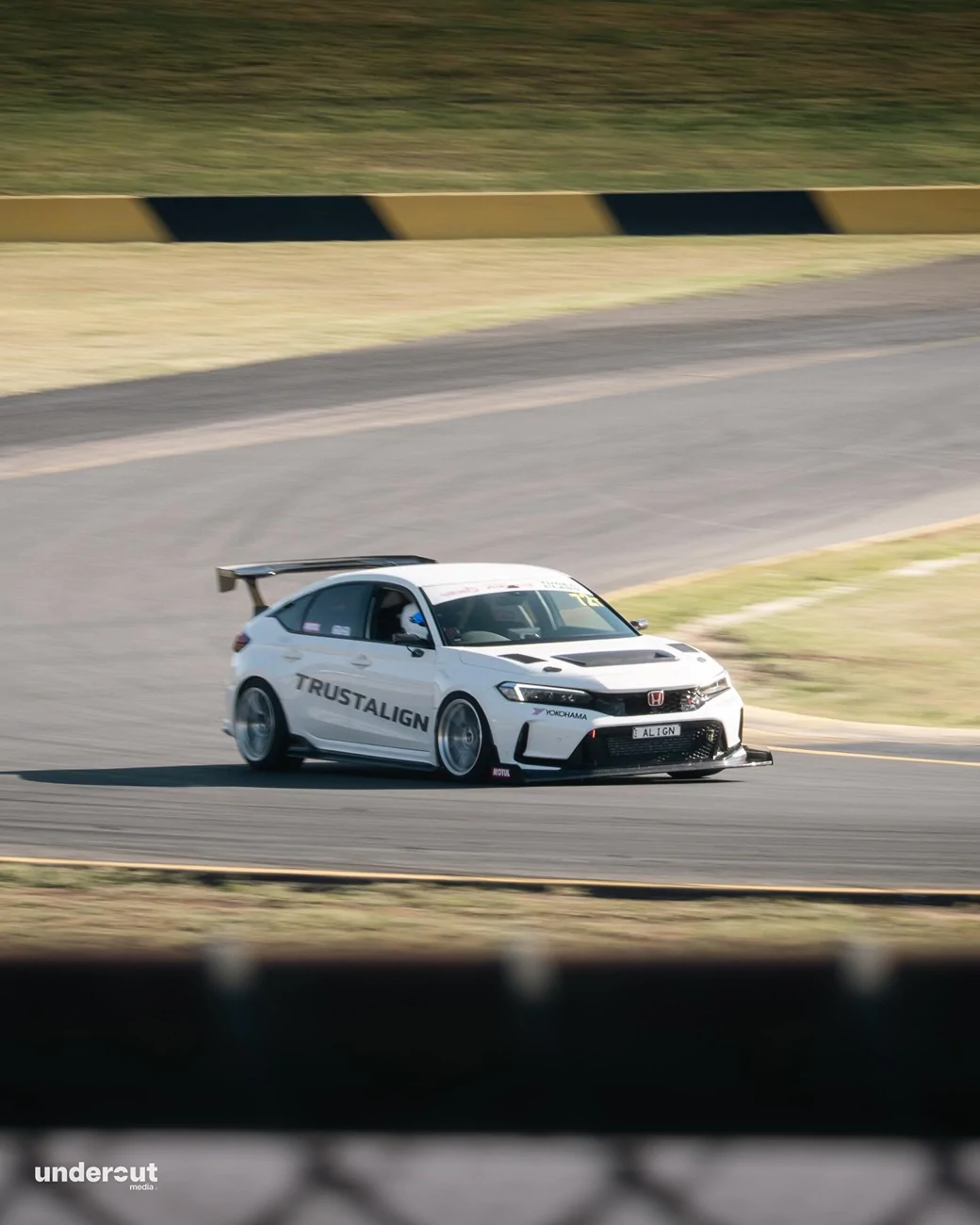
2026 WTAC done and dusted
P5
With a new PB, 1:38.81 - SMSP GP Layout
Fought our asses off to get into the top 5 shootout but a little rain and a premature call to cancel further proceedings robbed us of the chance to show the world what this car can really do on a clear track in optimal conditions.
The competition was tougher this year, with far more BMW entries, this competition is in danger of becoming BMW cup.
Enjoy the lap:


P5
With a new PB, 1:38.81 - SMSP GP Layout
Fought our asses off to get into the top 5 shootout but a little rain and a premature call to cancel further proceedings robbed us of the chance to show the world what this car can really do on a clear track in optimal conditions.
The competition was tougher this year, with far more BMW entries, this competition is in danger of becoming BMW cup.
Enjoy the lap:

OP
OP
tezzasaurusrex
Senior Member
- Thread starter
- #169
I disagree, time and time again people have proved they are more interested in buying shiny purple silicone upside down hoses or JDM thermostats than actually paying my shop to rectify their cooling issues.There's an opportunity and an addressable market if you happened to be interested in offering a "fix" for this as a product.
*puts hand in the air*
Josh.
joshinthecity
Senior Member
- First Name
- Josh
- Joined
- Aug 3, 2025
- Threads
- 10
- Messages
- 162
- Reaction score
- 124
- Location
- Sydney Australia
- Vehicle(s)
- 2025 CTR. Championship White.
Fair enough. By average, I suspect you're probably right. *sigh*. A sad state of affairs.I disagree, time and time again people have proved they are more interested in buying shiny purple silicone upside down hoses or JDM thermostats than actually paying my shop to rectify their cooling issues.
There's nothing shiny on my car at all though, and I was on the track at SMSP just last night.
I guess I'm the minority.

OP
OP
tezzasaurusrex
Senior Member
- Thread starter
- #171
All you have to do is make a bookingFair enough. By average, I suspect you're probably right. *sigh*. A sad state of affairs.
There's nothing shiny on my car at all though, and I was on the track at SMSP just last night.
I guess I'm the minority.


AaYaku_FL5
Member
If the cooling mods you've done are on the table then I would also be down to have this done, just got to drive up from CanberraAll you have to do is make a booking
OP
OP
tezzasaurusrex
Senior Member
- Thread starter
- #173
Everything's on the table bud you simply need to askIf the cooling mods you've done are on the table then I would also be down to have this done, just got to drive up from Canberra

CG13
Senior Member
Great thread.
I’ve been dealing with two main challenges with the FL5 on track, cooling and tire wear.
For cooling I’ve done:
PWR WOT radiator + transmission cooler
PWR intercooler
HEL oil cooler
Downpipe with heat shield, turbo heat shield
I am waiting on Js Racing vented hood
For tire wear I’ve done:
EVS ball joints with -3 deg camber on the fronts
I’ve tried: Michelin PS4S, Michelin Cup 2, Pirelli Trofeo R, Nankang CR-S
Acura Integra Type S suspension module
RV6 rear sway bar
I saw in earlier posts you were running a PWR radiator, but your most recent post mentioned running on the OEM one. What made you go back to OEM?
Can you describe the impact of moving to the Spoon LSD? I’ve been considering a clutch type LSD but haven’t decided if it’s worth the additional maintenance. Does Spoon provide any recommendations on fluid change intervals or rebuilds?
I’ve been dealing with two main challenges with the FL5 on track, cooling and tire wear.
For cooling I’ve done:
PWR WOT radiator + transmission cooler
PWR intercooler
HEL oil cooler
Downpipe with heat shield, turbo heat shield
I am waiting on Js Racing vented hood
For tire wear I’ve done:
EVS ball joints with -3 deg camber on the fronts
I’ve tried: Michelin PS4S, Michelin Cup 2, Pirelli Trofeo R, Nankang CR-S
Acura Integra Type S suspension module
RV6 rear sway bar
I saw in earlier posts you were running a PWR radiator, but your most recent post mentioned running on the OEM one. What made you go back to OEM?
Can you describe the impact of moving to the Spoon LSD? I’ve been considering a clutch type LSD but haven’t decided if it’s worth the additional maintenance. Does Spoon provide any recommendations on fluid change intervals or rebuilds?
OP
OP
tezzasaurusrex
Senior Member
- Thread starter
- #175
That's right, on Australian 98 octane (equivalent to US 93), the car is more susceptible to overheating. For the type of racing that we take part in, which is time attack events, we are able to run E85 fuel, which solves about 50-60% of the cooling issues. And we don't need cooling capacity since we're doing single lap full noise runs, and cool downs in between, rather than lap after lap of mode push, because the tyre window is narrow. So the move back to the OEM radiator was made to pull weight off the nose of the car, reducing the polar moment to help it change direction. Like I have beaten to death, manage the air flow, and you won't need all the extra cooling mods, adding weight, parasitic oil pressure losses and additional points of failure.I’ve been dealing with two main challenges with the FL5 on track, cooling and tire wear.
I saw in earlier posts you were running a PWR radiator, but your most recent post mentioned running on the OEM one. What made you go back to OEM?
Can you describe the impact of moving to the Spoon LSD? I’ve been considering a clutch type LSD but haven’t decided if it’s worth the additional maintenance. Does Spoon provide any recommendations on fluid change intervals or rebuilds?
So far we have not experienced any additional maintenance for the Spoon LSD. Stick to metal plate clutches, rather than carbon plate clutches, and you won't have excessively high oil contamination and the need to change oil so often. We change oil in these transmissions every 2-3 track events depending on track and temperature/time of the year, whether it is completely stock or with clutch type LSD together with engine oil.
Last edited: