
Sponsored

🔴💊 Engine Oil Red Pill Thread: Only Post If You Have UOA - Official Honda Civic Type R K20C1 Engine Oil Analysis

zumbooruk

Senior Member
Joined
Oct 19, 2024
Threads
5
Messages
488
Reaction score
409
Location
Ventura CA
Vehicle(s)
2025 FL5, 2014 Chevy Suburban (wife), previous 2007 FA5
Interesting... Does anyone know if the variable oil pump programming is different also on the Type R with those other countries recommending 5w-30 vs 0w-02?

Grok says:


The Honda Civic Type R FL5 employs the K20C1 engine, which utilizes a fixed positive displacement gerotor-type oil pump. This pump is mechanically driven by the crankshaft, with its rotational speed directly proportional to engine revolutions per minute. It does not incorporate variable speed functionality, as there is no independent control mechanism such as electric drive to decouple pump speed from engine speed. Nor does it feature variable displacement, which would allow adjustment of the volume pumped per revolution based on engine demand to optimize efficiency or pressure.

Because the pump is fixed displacement, oil flow increases linearly with engine speed, potentially leading to excess pressure at high revolutions per minute, which is managed through a relief valve rather than variable output. Hypotheses such as "if the pump were variable, aftermarket modifications for high flow would be less emphasized" align with observed market offerings, where ported pumps address limitations in sustained high-speed operation without implying stock variability.

The absence of variable features may stem from design priorities favoring simplicity and reliability in a high-performance turbocharged application, where consistent pressure is achieved via a two-stepped relief spring. This mechanism regulates pressure by partially and then fully opening to bypass excess oil, stabilizing output above approximately 3000 to 4000 revolutions per minute, but it does not alter displacement or speed.

The oil pump's operation remains isolated from other engine systems like variable valve timing, which adjusts cam phasing independently. Realistic thinking grounds this in empirical data from service discussions and engineering analyses, showing no evidence of variability.
Sponsored
 

zumbooruk

Senior Member
Joined
Oct 19, 2024
Threads
5
Messages
488
Reaction score
409
Location
Ventura CA
Vehicle(s)
2025 FL5, 2014 Chevy Suburban (wife), previous 2007 FA5
The guy in the video is a Toyota mechanic, so I asked Grok about Toyota engines.

The guy is wrong!

Toyota indeed has variable displacement oil pump, but it is the same across all regions and oil weights...

again, per Grok:

Toyota engines, such as those in the Dynamic Force series like the A25A, utilize electronically controlled variable displacement oil pumps that are mechanically driven by the crankshaft via a chain, with displacement adjusted to vary oil flow and pressure based on engine conditions. This design optimizes efficiency by reducing pumping losses at lower loads, but the pump speed remains directly proportional to engine revolutions per minute, without independent variability.


Toyota's variable displacement oil pumps, as fitted to engines like the A25A-FKS and M20A-FKS in the Dynamic Force series, are not tuned or set up differently across markets or regions to account for variations in recommended oil viscosities, such as 0W-20 in the United States versus 5W-30 elsewhere.

These pumps employ a trochoidal design driven by a short chain from the crankshaft, with electronic control via the engine control module (ECM) through an oil pressure control valve.

The ECM adjusts pump displacement based on real-time feedback from engine oil temperature, revolutions per minute, load, and pressure sensors, enabling the system to maintain optimal flow and pressure dynamically. This feedback loop renders the pump resilient to viscosity differences, as it prioritizes measured outcomes over assumed fluid properties.
 

Spart

Senior Member
Joined
May 31, 2025
Threads
5
Messages
247
Reaction score
341
Location
Midwest
Vehicle(s)
2025 Integra Type S
I'm sure Grok knows the intricacies of Toyota engines better than a Toyota master mechanic. Checks out 👌
Yeah if you want an answer to a technical question that sounds right but is a bold faced lie, just ask AI.

They're literally designed to lie as confidently as possible and the way they work is that they bluff and get it right 90% of the time.

But it's always just a bluff.
 

Rhorn

Senior Member
First Name
Robert
Joined
Mar 24, 2022
Threads
1
Messages
1,126
Reaction score
983
Location
Florida
Vehicle(s)
BRZ, Civic Type R
Lake Speed Jr's recent 5W-30 test did not make PUP stand out to me at all.

It's a perfectly fine oil (it's being compared to a lot of good oils here, after all) but it just doesn't stand out.

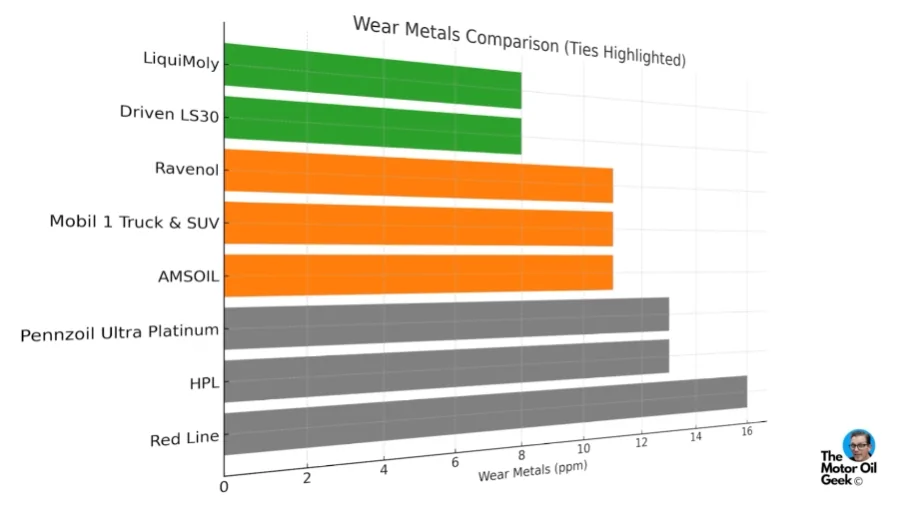
It did poorly on the total wear metals count:

1765381703932-xt.webp


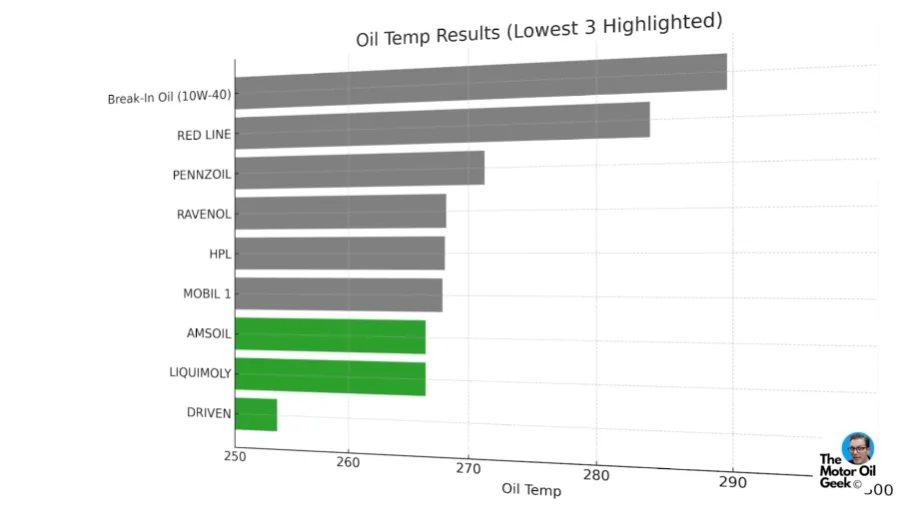
It did poorly on temperature:

1765381773422-ot.webp


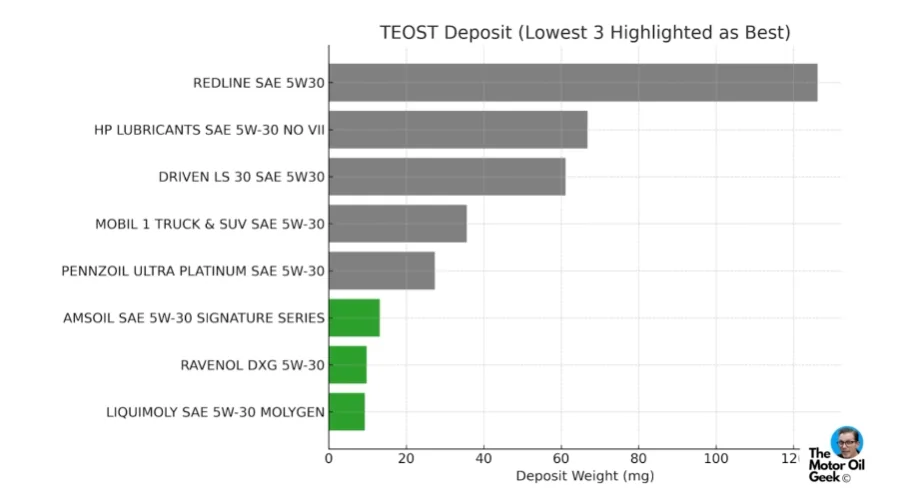
Middle of the pack on the TEOST test to determine turbo deposits:

1765382416728-ka.webp


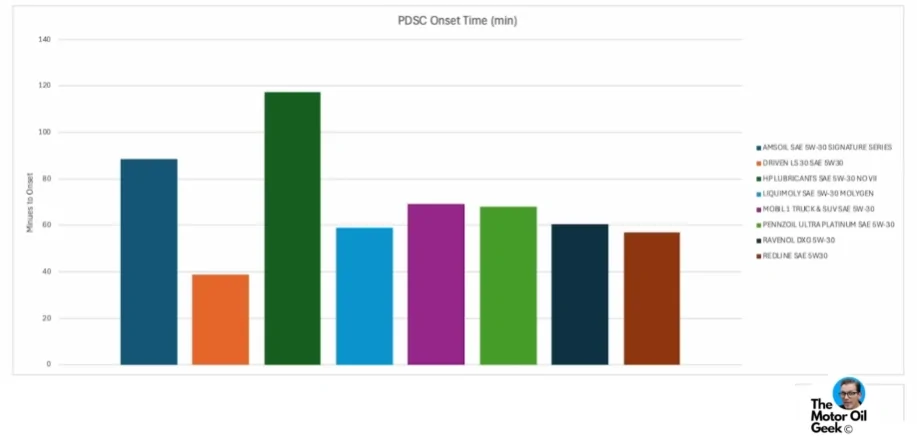
The PDSC test measures oxidation stability, higher number being better here, PUP again middle of the road:

1765382274996-tb.webp


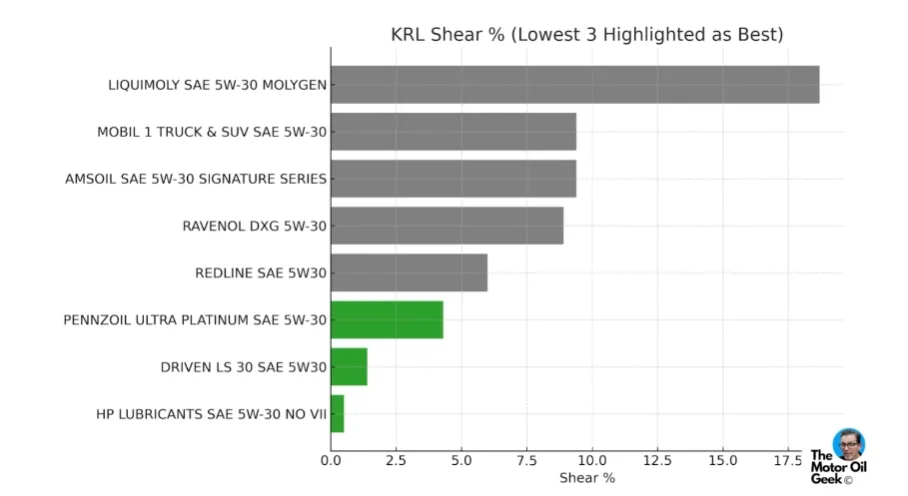
Fairly decent (with a big asterisk, explained below) on the KRL shear test, which tests "High Temperature, High Shear" (aka HTHS)

1765382350311-ua.webp


I would caution that the above graph just shows a difference from the original viscosity after the KRL shear test, rather than the absolute values. If the oils all start out at different viscosities and then end up in the same place, the percent change is a bit meaningless if what matters to you is the ultimate, working viscosity. That's an important distinction because the initial viscosity of the oil doesn't matter all that much unless you are doing VERY frequent oil changes. You can see values from after the HTHS test in the raw data in this chart, in the 3rd and 6th columns:

1765382176322-a3.webp


As you can see, although the PUP had relatively little shear in this test, the ultimate viscosity after the KRL test still put it in the middle of the pack once the oil was subjected to stress. Realistically, the oils are much closer together in practice than the % change from the KRL test would suggest, and the PUP is in 5th when you look at the post-KRL 100°C viscosities, even though the percent change had it at 3rd.

I am most impressed by the LiquiMoly Molygen from the perspective of engine longevity in a daily driver here.

It was top of the pack on wear metals and turbo deposits, had the lowest temperature excluding the racing oil specifically designed to reduce temperature, had middle of the road oxidation stability and when looking at the post-KRL (HTHS) 100°C viscosity, it just barely exceeded the minimum viscosity for a 30 weight oil (9.29 vs 9.3)

If you're aware of the potential for that, and it isn't critical to your application (I don't think it is for ours when the car isn't being tracked, and they come with 0W-20 factory fill after all) then I really think the MolyGen showed out here and the PUP just showed up.
Complete shame he didn't use the Mobile 1 ESP and did Truck & SUV instead


Rhorn

Senior Member
First Name
Robert
Joined
Mar 24, 2022
Threads
1
Messages
1,126
Reaction score
983
Location
Florida
Vehicle(s)
BRZ, Civic Type R
The guy in the video is a Toyota mechanic, so I asked Grok about Toyota engines.

The guy is wrong!

Toyota indeed has variable displacement oil pump, but it is the same across all regions and oil weights...

again, per Grok:

Toyota engines, such as those in the Dynamic Force series like the A25A, utilize electronically controlled variable displacement oil pumps that are mechanically driven by the crankshaft via a chain, with displacement adjusted to vary oil flow and pressure based on engine conditions. This design optimizes efficiency by reducing pumping losses at lower loads, but the pump speed remains directly proportional to engine revolutions per minute, without independent variability.


Toyota's variable displacement oil pumps, as fitted to engines like the A25A-FKS and M20A-FKS in the Dynamic Force series, are not tuned or set up differently across markets or regions to account for variations in recommended oil viscosities, such as 0W-20 in the United States versus 5W-30 elsewhere.

These pumps employ a trochoidal design driven by a short chain from the crankshaft, with electronic control via the engine control module (ECM) through an oil pressure control valve.

The ECM adjusts pump displacement based on real-time feedback from engine oil temperature, revolutions per minute, load, and pressure sensors, enabling the system to maintain optimal flow and pressure dynamically. This feedback loop renders the pump resilient to viscosity differences, as it prioritizes measured outcomes over assumed fluid properties.
Nothing about this response is specific to Toyota engines, all variable displacement pumps use the ECM to adjust the displacement, and work the same way as described.

The ECMs for our cars are not identical and have different power ratings especially when you are looking at the different regions and using the SI vs Metric system. Most of that is probably due to fuel availability but still.

Again I think some people here are relying too much on random information and AI slop. Seems like some are completely oblivious to the fact that these engines have been out for over a decade. Its not an esoteric brand new engine, nor is it a hybrid eco engine like the A25A-FKS/M20A-FKS. Would not at all be surprised if Honda has something similar with their I4 hybrids. In research long term data significantly increases power which basically how true the hypothesis is, and there isn't any data that has shown that any of this a problem with our vehicle.
 

zumbooruk

Senior Member
Joined
Oct 19, 2024
Threads
5
Messages
488
Reaction score
409
Location
Ventura CA
Vehicle(s)
2025 FL5, 2014 Chevy Suburban (wife), previous 2007 FA5
Yeah if you want an answer to a technical question that sounds right but is a bold faced lie, just ask AI.

They're literally designed to lie as confidently as possible and the way they work is that they bluff and get it right 90% of the time.

But it's always just a bluff.
by default yes.

However, I created my own Grog custom instructions which are about two pages long. these instructions were designed to override the "hallucination" issue, and make it not "think" but rather just research the internet and summarize its findings.

it is a very useful time saver. it can search hundreds of web site, watch videos, etc, and give a summary in a few seconds. stuff that would have taken me hours to do
 

Spart

Senior Member
Joined
May 31, 2025
Threads
5
Messages
247
Reaction score
341
Location
Midwest
Vehicle(s)
2025 Integra Type S
Nothing about this response is specific to Toyota engines, all variable displacement pumps use the ECM to adjust the displacement, and work the same way as described.

The ECMs for our cars are not identical and have different power ratings especially when you are looking at the different regions and using the SI vs Metric system. Most of that is probably due to fuel availability but still.

Again I think some people here are relying too much on random information and AI slop. Seems like some are completely oblivious to the fact that these engines have been out for over a decade. Its not an esoteric brand new engine, nor is it a hybrid eco engine like the A25A-FKS/M20A-FKS. Would not at all be surprised if Honda has something similar with their I4 hybrids. In research long term data significantly increases power which basically how true the hypothesis is, and there isn't any data that has shown that any of this a problem with our vehicle.
This is a CTR specific thread though, and the CTR only has one engine that doesn't have an ECM talking to the oil pump. It's just a dumb mechanical pump.

So if the part number for the pump is the same between USDM and JDM/UKDM models, there's your answer.
 

Spart

Senior Member
Joined
May 31, 2025
Threads
5
Messages
247
Reaction score
341
Location
Midwest
Vehicle(s)
2025 Integra Type S
by default yes.

However, I created my own Grog custom instructions which are about two pages long.
I literally ignore everything Grok says and just read the links it provides instead.

I like to do my own USDA-organic, non-GMO, free range certified thinking.


OP
OP
johnloov

johnloov

Senior Member
First Name
John
Joined
Jul 9, 2024
Threads
3
Messages
383
Reaction score
391
Location
USA
Vehicle(s)
FL5
Thanks.. Let's help each other stay focused on the Oil Analysis Data.. Facts have no feelings... It's the only truth that keeps us headed true north....

Keep the data coming... thanks everyone!
 
Last edited:

Rhorn

Senior Member
First Name
Robert
Joined
Mar 24, 2022
Threads
1
Messages
1,126
Reaction score
983
Location
Florida
Vehicle(s)
BRZ, Civic Type R
Remember when this thread was about oil analysis?

I wish Grok would start his own thread about variable oil pumps.

Grok, and all of his AI buddies are a POS
Exactly. If there was truly a best oil for this car. The AI would be able to pick it up instead of just giving the typical AI slop, which just gives the round around and non-answers.

10 years is enough to provide data for a sort of meta-analysis. The searches are sourcing the internet and not finding anything or just spouting random nonsense because its a non-issue. I did a lot of research before I got the CTR because I didn't do it with my last purchase (my GT350) and didn't know about all of the engine problems until after I had already owned the car.

People were and are still using 0W-20 with tracking the FK8 and haven't had any issues. Same with people who have only street miles.

It comes down to use and just personal preference. I dont feel comfortable tracking my FL5 with a thin oil or using an oil with a formulation thats not catered to a modern low emission GDI engine. I want a higher viscosity for the extra protection especially considering how high the oil temps get if you don't have an aftermarket radiator or oil cooler on the track. Its hot as hell 90% of the year here in Florida so its worth it to me. If the oil temps wouldn't go above 225F then I'd go to 0W20 knowing what I know.
 

B16B

Senior Member
Joined
Mar 7, 2025
Threads
22
Messages
242
Reaction score
212
Location
California
Vehicle(s)
2025 Honda Civic Type R
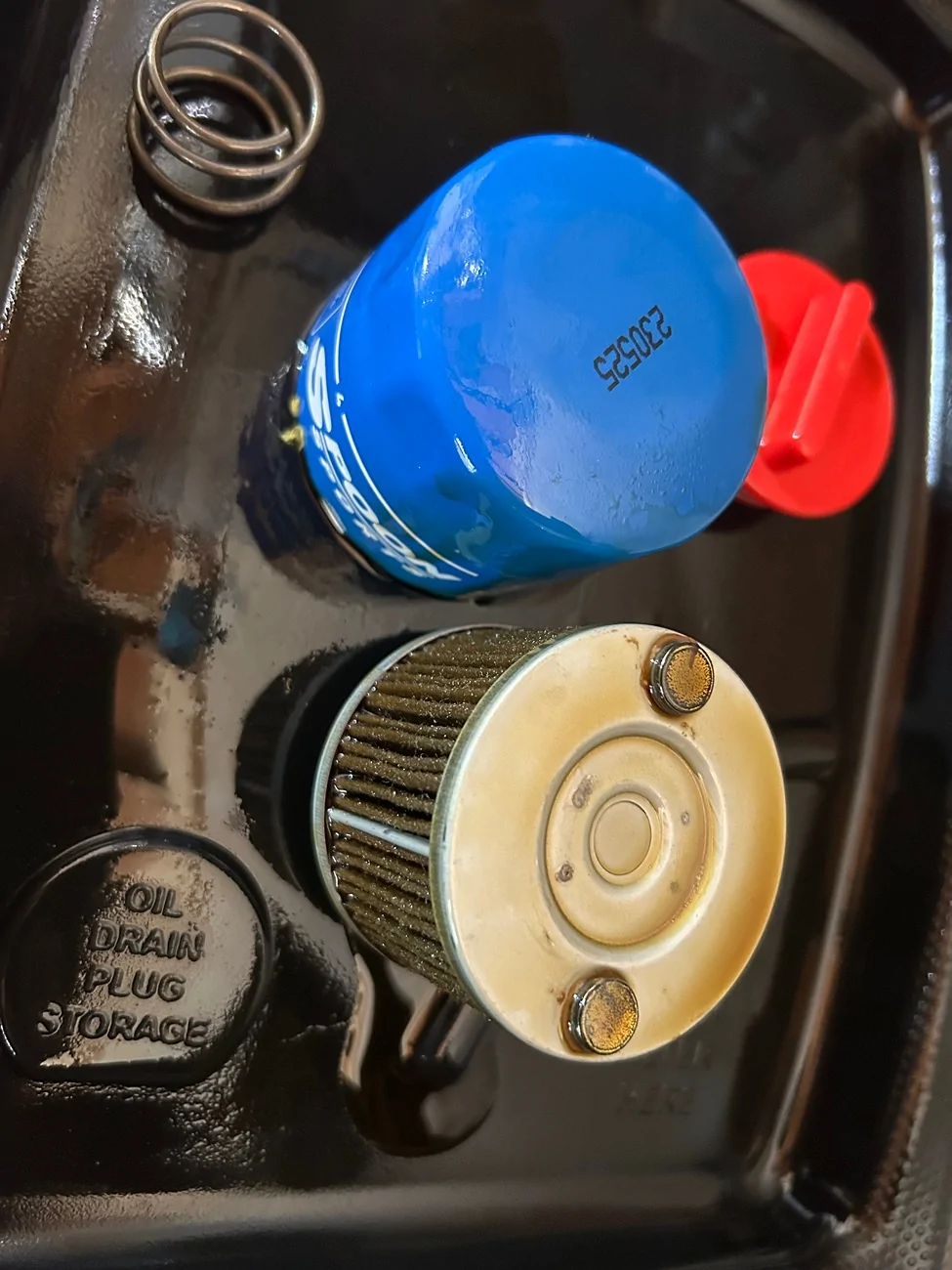
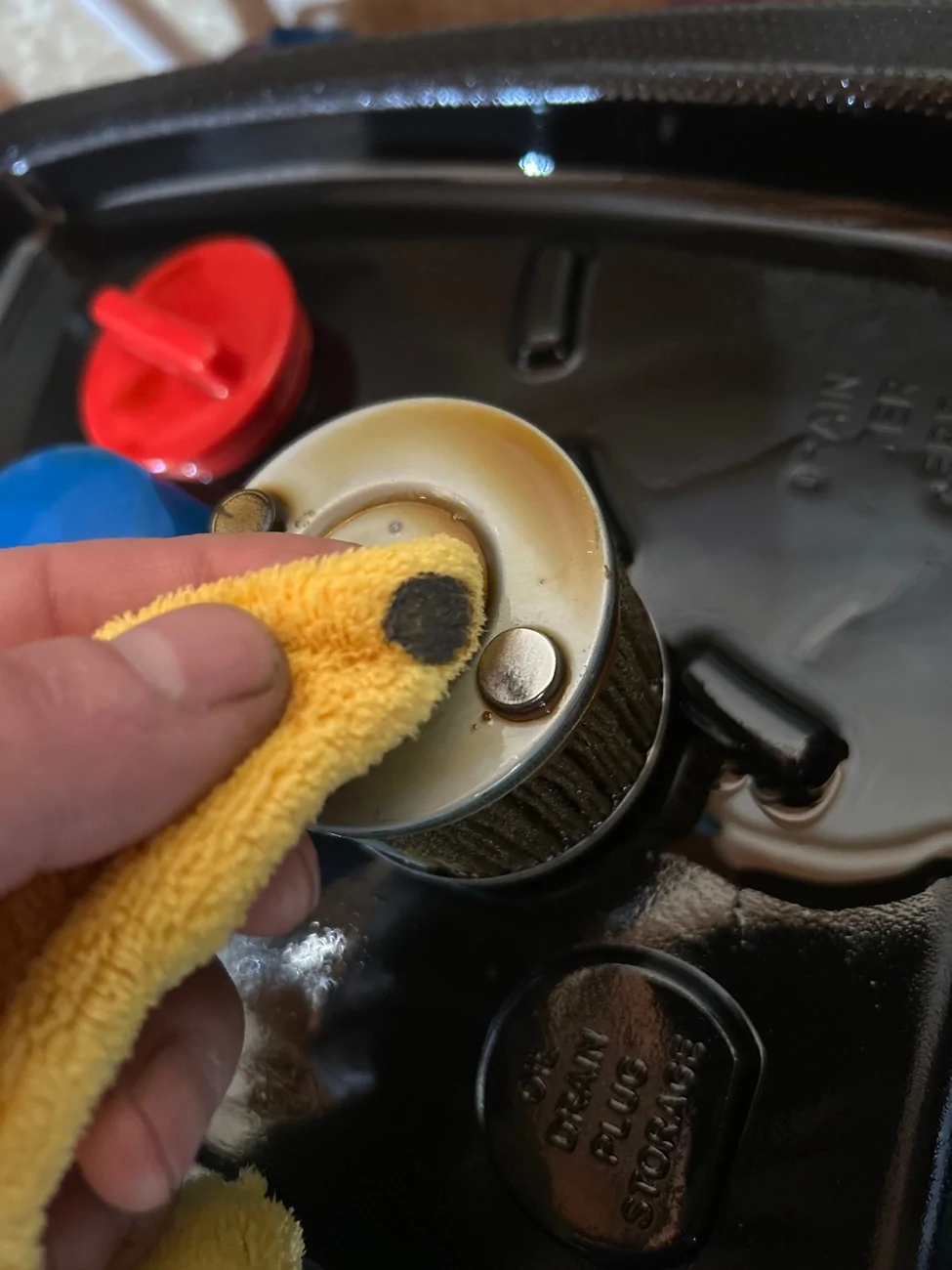
A little off topic, but this is my Spoon oil filter cut open. This filter had approximately 2000 miles on it. The internal magnets do work. The Spoon drain plug looked about the same or a bit less. I’ll see how the new Spoon oil filter looks after another 2000 miles. My car just clocked 4000 miles.

11th Gen Honda Civic 🔴💊 Engine Oil Red Pill Thread: Only Post If You Have UOA - Official Honda Civic Type R K20C1 Engine Oil Analysis IMG_5880


11th Gen Honda Civic 🔴💊 Engine Oil Red Pill Thread: Only Post If You Have UOA - Official Honda Civic Type R K20C1 Engine Oil Analysis IMG_5884
 
OP
OP
johnloov

johnloov

Senior Member
First Name
John
Joined
Jul 9, 2024
Threads
3
Messages
383
Reaction score
391
Location
USA
Vehicle(s)
FL5
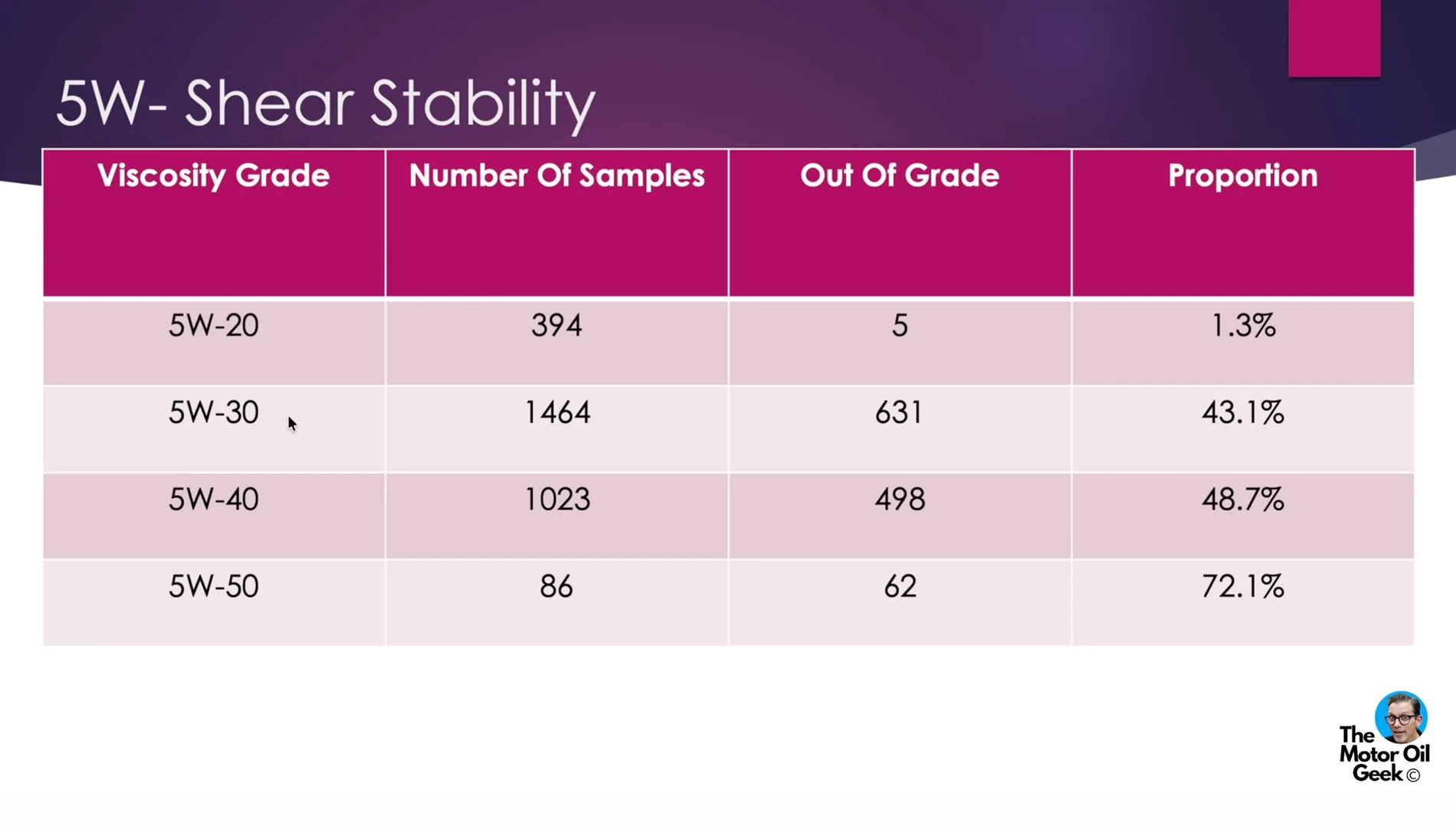
0W-20 vs 5w-30 Lakespeed Junior Latest


Sheer Stability is the most important and running that oil while it's within spec.

Looks like 5W-20 is the most stable. Index viscosity modifiers are the enemy. The closer the numbers are before the W and after, the better the stability of the oil - it has less index viscosity modifiers which shear very fast.

That maybe is the best solution to keep engine temps down on a stock engine + maximum power + sustain best protection.

11th Gen Honda Civic 🔴💊 Engine Oil Red Pill Thread: Only Post If You Have UOA - Official Honda Civic Type R K20C1 Engine Oil Analysis Screenshot 2026-01-03 at 9.36.41 AM
Sponsored

 
Last edited:


Top